


Can patients with endometrial polyps have sexual intercourse?
Jul 03, 2025
Source: Cainiu Health

Dr. Zhang Lu
Introduction
If the endometrial polyp is small in size, typically with a diameter less than 1 centimeter, and the patient has no significant clinical symptoms such as abnormal vaginal bleeding or abdominal pain, and there is no infection present, sexual intercourse can be performed. In such cases, normal sexual activity generally does not cause adverse irritation to the polyp or worsen the condition; however, it is important to maintain proper hygiene before and after sexual activity.
Whether a patient with endometrial polyps can have sexual intercourse depends on the size of the polyps, the presence of symptoms, and whether complications exist. If the polyps are small and asymptomatic, sexual activity is generally acceptable. However, if the polyps are large, cause symptoms, or complications such as infection are present, sexual activity should be avoided. In case of any abnormalities, prompt medical attention is recommended. Detailed explanation is as follows:
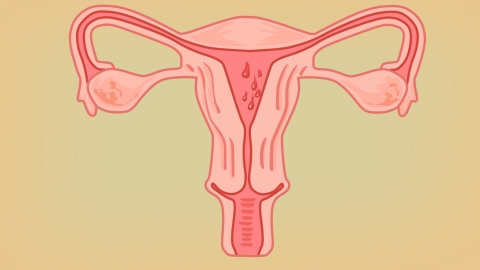
If the endometrial polyps are relatively small, usually less than 1 cm in diameter, and the patient has no obvious clinical symptoms such as abnormal vaginal bleeding or abdominal pain, and there is no infection, sexual intercourse is generally permissible. Under such circumstances, normal sexual activity typically does not cause adverse irritation to the polyps or worsen the condition. However, maintaining genital hygiene before and after sexual activity is important.
If the endometrial polyps are large (usually greater than 1 cm in diameter), or if symptoms such as prolonged menstrual periods, increased menstrual flow, or intermenstrual vaginal bleeding occur, or if infectious complications such as endometritis have developed, sexual intercourse should be avoided. During sexual activity, larger polyps may rupture and bleed due to friction. Symptomatic polyps can affect the uterine environment, and engaging in sexual activity during an infection may worsen the inflammation and delay recovery.
Patients with endometrial polyps should undergo regular follow-up examinations to monitor changes in the polyps and seek timely medical care if abnormal bleeding, abdominal pain, or other symptoms occur. Regardless of whether sexual activity is engaged in or not, maintaining genital hygiene is essential.





