


What does a hypoechoic nodule in the uterus mean?
Jul 03, 2025
Source: Cainiu Health

Dr. Zhang Lu
Introduction
A hypoechoic nodule in the uterus refers to an abnormal mass detected by ultrasound that appears in the uterine myometrium or endometrium with lower echogenicity than the surrounding tissues. It is often an imaging manifestation of conditions such as uterine fibroids, adenomyosis lesions, or endometrial polyps. If abnormalities are detected, timely medical consultation is recommended. Upon discovery of a hypoechoic uterine nodule, prompt visit to a gynecologist is advised, along with providing a detailed medical history.
Uterine hypoechoic nodules refer to abnormal masses detected during ultrasound examinations, where the echo intensity within the uterine myometrium or endometrium is lower than that of the surrounding tissues. These nodules are often imaging manifestations of conditions such as uterine fibroids, adenomyosis lesions, or endometrial polyps. If abnormalities are detected, timely medical consultation is recommended. Detailed analysis is as follows:
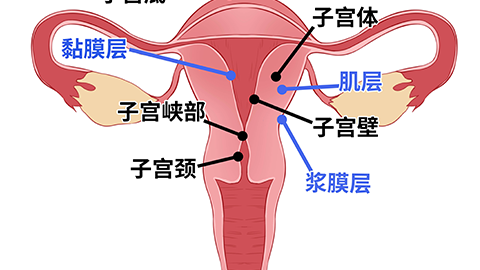
This phenomenon may be caused by various conditions. Uterine fibroids are a common cause, as fibroid tissue has lower density than normal myometrium and appears as hypoechoic nodules with clear boundaries on ultrasound. In adenomyosis, ectopic endometrial tissue forms lesions within the myometrium, which may present as hypoechoic areas with indistinct borders, often accompanied by symptoms such as dysmenorrhea and increased menstrual bleeding.
Endometrial polyps, especially larger ones, may also appear hypoechoic on ultrasound and are typically located within the uterine cavity, potentially affecting the menstrual cycle. Additionally, in rare cases, hypoechoic nodules may indicate other benign uterine conditions, requiring comprehensive evaluation based on clinical symptoms and additional diagnostic tests.
Upon detection of a uterine hypoechoic nodule, prompt consultation with a gynecologist is advised. Patients should provide a detailed medical history and follow medical recommendations for tumor marker testing or magnetic resonance imaging (MRI). Regular ultrasound follow-ups may be necessary to monitor changes in the nodule, and excessive physical strain should be avoided.


