


What is the normal range for uric acid?
Jul 08, 2025
Source: Cainiu Health

Dr. Yang Tiesheng
Introduction
Under normal circumstances, the normal range for uric acid is 208~416 μmol/L for males and 149~358 μmol/L for females. To avoid misdiagnosis or delayed treatment, it is recommended to undergo uric acid testing and interpretation under the guidance of a qualified physician. Prior to testing, individuals should avoid high-purine diets and alcohol consumption, and follow medical advice for regular follow-up examinations.
Generally, the normal range for uric acid is 208–416 μmol/L for males and 149–358 μmol/L for females. A detailed explanation is as follows:
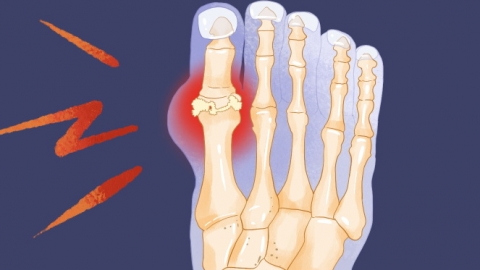
Uric acid is the final product of purine metabolism in the human body, and maintaining its level within the normal range is important for health. Generally, the normal range for uric acid in males is 208–416 μmol/L, while for females it is 149–358 μmol/L. This difference is related to factors such as estrogen's effect on uric acid metabolism in females. Clinically, blood uric acid concentration is commonly measured to assess metabolic status. If the uric acid level exceeds the normal range, it may indicate hyperuricemia, and persistently elevated levels may increase the risk of developing diseases such as gout and kidney damage. Conversely, uric acid levels that are too low may also be associated with certain diseases.
To avoid misdiagnosis or delayed treatment, it is recommended to undergo uric acid testing and interpretation under the guidance of a qualified physician. Before testing, high-purine diets and alcohol consumption should be avoided, and follow-up tests should be conducted as directed by a physician. If symptoms such as joint pain, fatigue, or abnormal urination occur, prompt medical attention is advised.







