


What Are the Three Fruits Most Feared by People with Gout?
Jul 15, 2025
Source: Cainiu Health

Dr. Yang Tiesheng
Introduction
Generally speaking, there is no such thing as "the three fruits most feared by gout patients." Fruits that gout patients should consume cautiously include lychee, longan, mango, durian, and sugarcane. Gout patients must strictly control their intake of purines in their diet to reduce uric acid production and alleviate their condition. When choosing fruits, gout patients are advised to prioritize those with low purine and lower fructose content.
Generally speaking, there is no such thing as "three fruits that gout fears the most." Fruits that gout patients should consume cautiously include lychee, longan, mango, durian, and sugarcane. Gout patients must strictly control their intake of purines to reduce uric acid production and alleviate symptoms. Detailed analysis is as follows:
1. Lychee
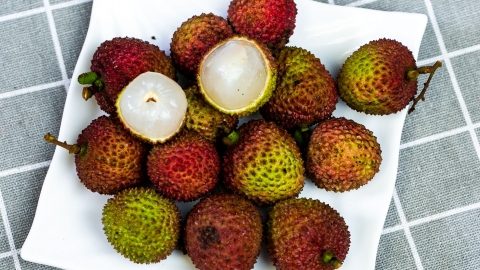
Lychee belongs to fruits with moderate purine content and contains high levels of fructose. During its metabolism in the body, fructose promotes uric acid production and may also inhibit uric acid excretion. Excessive consumption by gout patients could lead to elevated blood uric acid levels and trigger gout attacks. Additionally, lychee has a warm nature, and excessive consumption may cause discomfort such as heatiness.
2. Longan
Although longan has low purine content, it is rich in fructose. Large intake of fructose increases uric acid production in the body, which is not conducive to controlling blood uric acid levels in gout patients. Moreover, longan is a warm-natured fruit, and excessive consumption can easily cause internal heatiness, potentially affecting metabolism and having an adverse impact on gout conditions.
3. Mango
Mango has low purine content but also contains considerable fructose. If consumed long-term or in large quantities by gout patients, fructose metabolism in the body may interfere with uric acid excretion, potentially leading to elevated blood uric acid levels. Additionally, mango is a tropical fruit, and some gout patients may be allergic to it. Consumption may cause allergic reactions such as skin itching and swelling, which can affect physical condition.
4. Durian
Durian has relatively low purine content but contains high calories and fructose. High fructose intake promotes uric acid synthesis, while the high-calorie content of durian may lead to obesity, which is one of the risk factors for gout. Obesity can reduce the efficiency of uric acid excretion, worsening the condition of gout patients.
5. Sugarcane
Sugarcane contains almost no purines but is mainly composed of sucrose, which can be broken down into glucose and fructose in the body. Fructose promotes uric acid production, and excessive consumption of sugarcane by gout patients may lead to elevated blood uric acid levels, increasing the risk of gout attacks. Moreover, sugarcane has high sugar content, and excessive consumption may also cause blood sugar fluctuations, which is especially detrimental to gout patients with concurrent hyperglycemia.
When choosing fruits, gout patients should prioritize fruits with low purine and lower fructose content, such as apples, pears, strawberries, and blueberries. At the same time, attention should be paid to controlling daily fruit intake to avoid excessive consumption at one time, thus maintaining stable blood uric acid levels.


