


To what extent can pharyngitis eventually worsen?
Nov 27, 2025
Source: Cainiu Health

Dr. Lu Cheng
Introduction
If pharyngitis is not effectively controlled over a long period, it may generally worsen, leading to recurrent chronic pharyngitis, inflammation of adjacent organs, impaired swallowing and voice production, hyperplasia of the pharyngeal mucosa, and an increased risk of respiratory infections. If acute pharyngitis is not completely cured, it can easily progress to chronic pharyngitis, resulting in frequent symptoms such as dryness, itching, foreign body sensation, and mild pain in the throat.
If pharyngitis is not effectively controlled over a long period, it may generally worsen and lead to repeated episodes of chronic pharyngitis, inflammation of adjacent organs, impaired swallowing and voice production, hyperplasia of the pharyngeal mucosa, and an increased risk of respiratory infections. The specific analysis is as follows:
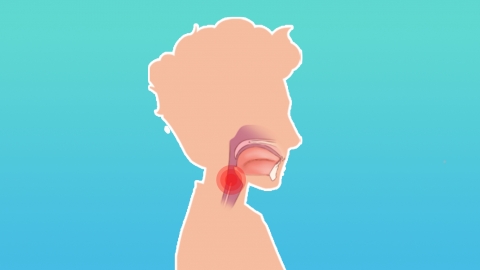
1. Recurrent chronic pharyngitis: Acute pharyngitis that is not completely cured can easily progress into chronic pharyngitis. This leads to frequent symptoms such as dryness, itching, foreign body sensation, and mild pain in the throat. These symptoms tend to recur or worsen when triggered by colds, dust, spicy foods, or other irritants, significantly affecting daily life.
2. Inflammation of adjacent organs: Inflammatory secretions from pharyngitis may irritate nearby structures such as the nasal cavity, sinuses, and trachea, potentially causing complications like rhinitis, sinusitis, and bronchitis. This expands the range of discomfort and increases the difficulty of treatment.
3. Impaired swallowing and voice production: Prolonged inflammation causes persistent congestion and swelling of the pharyngeal mucosa. Swallowing may be accompanied by a noticeable foreign body sensation or mild pain, while speaking may result in hoarseness and changes in voice quality. In severe cases, normal speech may be temporarily affected.
4. Induction of pharyngeal mucosal hyperplasia: Long-term irritation from chronic pharyngitis may lead to lymphoid follicular hyperplasia of the pharyngeal mucosa. The resulting proliferative tissue can further intensify the sensation of a foreign body in the throat, and some cases of hyperplasia may require medical intervention for relief.
5. Increased risk of respiratory infections: The throat serves as an important barrier for the respiratory tract. Persistent pharyngitis compromises local defense mechanisms, making it easier for bacteria and viruses to invade the respiratory system, thereby increasing the likelihood of respiratory infections such as colds and pneumonia.
In daily life, it is important to avoid excessive voice use and exposure to dust and irritating gases, and to maintain a light diet. If symptoms persistently worsen or if difficulty swallowing or prolonged hoarseness occurs, timely medical evaluation is recommended.



