


Can allergies cause fever?
Jul 27, 2021
Source: Cainiu Health

Dr. Zhang Min
Introduction
In general, allergies do not cause fever. However, due to individual differences in constitution, some people may develop fever when experiencing an allergic drug eruption. Therefore, patients experiencing allergic reactions should promptly seek evaluation at a reputable hospital. Moreover, because allergies have numerous potential causes, treatment approaches may vary depending on the underlying cause.
In daily life, there are numerous causes of allergic reactions. When allergy symptoms occur, the skin may develop localized red rashes or red spots, often accompanied by itching and pain. Mild cases typically resolve within a few days; however, more severe cases require treatment with antihistamines or other anti-allergic medications. Additionally, some individuals experiencing suspected allergic symptoms may also develop fever. So, can allergies cause fever? Below, we address this question.

Can allergies cause fever?
Generally speaking, allergies do not cause fever. However, due to individual differences in constitution, some people may experience fever as part of an allergic drug eruption. Therefore, when allergic symptoms arise, patients are advised to promptly seek evaluation at a reputable hospital. Moreover, because allergic reactions have diverse underlying causes, treatment approaches may vary accordingly. Patients should follow their physician’s recommendations for appropriate and rational medication use. In daily life, patients should maintain local skin cleanliness and hygiene, and avoid scratching affected areas to prevent skin damage and delayed recovery.
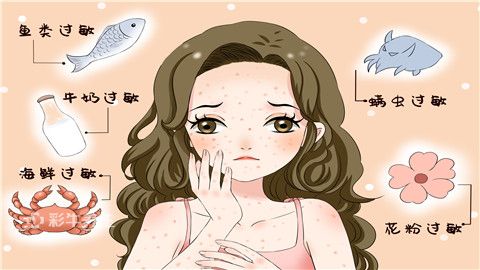
Knowledge Expansion: Causes of Skin Allergies
1. Allergic Reactions
Allergens bind to mucosal surfaces of the bronchi, nasal passages, or skin blood vessels, triggering conditions such as allergic rhinitis (characterized by sneezing and runny nose), allergic asthma (with persistent wheezing), and allergic dermatitis (with pruritus). During the allergic response, inflammatory mediators play a direct role. While allergens serve as external triggers, compromised immune function constitutes an internal predisposing factor.
2. Hormone Dependency
This is commonly caused by prolonged, inappropriate topical corticosteroid use. Upon discontinuation, dermatitis often recurs and worsens. Other associated conditions include rosacea, systemic lupus erythematosus, and seborrheic dermatitis. Cosmetic-induced dermatitis refers to skin disorders triggered either by irritation or allergy to cosmetic products. It typically affects facial areas where cosmetics are applied; symptoms improve after cessation but recur upon re-exposure.

3. External Factors
These generally include dietary factors, inhaled substances, climatic conditions, and contact allergens. Common triggers of skin allergy include seafood, high-protein foods, dust mites, spicy foods, alcohol, airborne pollen, cold weather, chemical agents, soaps, and detergents. Research suggests that allergic skin conditions primarily result from pathogenic wind, dampness, and heat accumulating in the blood and skin.
The above provides an overview of whether allergies can cause fever. We hope this information is helpful to you.




