


What Causes Arm Muscle Pain?
Aug 03, 2021
Source: Cainiu Health

Dr. Lin Yunfei
Introduction
1. Muscle fatigue: Prolonged manual labor or sudden lifting of heavy objects can lead to muscle strain in the arm.
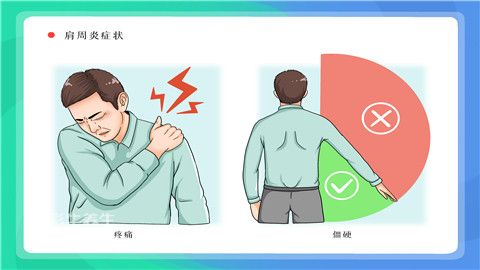
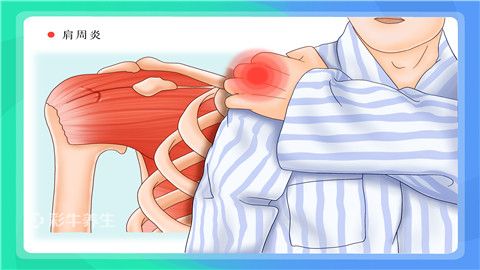
2. Shoulder girdle disorders: During the acute phase of periarthritis of the shoulder (frozen shoulder), patients may experience pain radiating from the shoulder to the arm, typically characterized by milder symptoms during the day and worsening at night.
3. Periostitis: Chronic overuse can cause partial fibrous tearing or injury to the soft tissues attached to the elbow joint.
Causes of arm muscle pain are numerous. It may result from shoulder and arm muscle spasms, often triggered by prolonged computer use or poor sitting posture. Appropriate physical activity and heat application can help alleviate such discomfort. Alternatively, it may stem from musculoskeletal conditions such as periarthritis of the shoulder (frozen shoulder) or cervical spondylosis—conditions predominantly affecting middle-aged and elderly individuals—which can be managed with physical therapy or acupuncture. So, what exactly causes arm muscle pain? The following section addresses this question in detail.
What Causes Arm Muscle Pain?
1. Muscle Fatigue
Prolonged manual labor or sudden lifting of heavy objects may cause strain or overuse injury to the arm muscles. Excessive fatigue leads to soreness and weakness, sometimes even impairing the ability to lift the arm. Therefore, adequate rest and relaxation for the arms are essential in daily life. Additionally, external trauma causing joint ligament subluxation—either outward (valgus) or inward (varus)—can also induce arm soreness. Thus, excessive or high-intensity physical activity should be avoided to prevent symptom exacerbation.
2. Shoulder Girdle Disorders
During the acute phase of periarthritis of the shoulder, patients commonly experience shoulder and arm pain—typically milder during the day but worsening at night—and frequently exhibit restricted shoulder joint mobility. Cervical spondylosis often presents with intermittent limb numbness or pain; persistent dull aching is less common but cannot be ruled out, especially if associated with cervical osteophyte formation. It is advisable to begin with cervical spine radiography to exclude osteophytes or nerve root compression. If pain occurs without significant functional impairment, periarthritis of the shoulder is less likely.
3. Periostitis
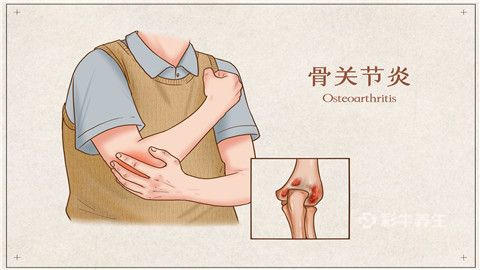
Chronic overuse may lead to partial fibrous tears or microtrauma in tendons and soft tissues attached to the elbow joint. Repetitive friction may likewise injure the periosteum, resulting in periostitis. Typical manifestations include lateral elbow pain radiating down the lateral forearm, reduced grip strength, and noticeable swelling at the affected site. Furthermore, rheumatoid arthritis may also cause arm soreness—often secondary to joint involvement or cold exposure—and is frequently accompanied by redness, swelling, and warmth.
The above outlines the primary causes of arm muscle pain. We hope this information proves helpful.








