


What Causes an Enlarged Uterus?
Nov 11, 2021
Source: Cainiu Health
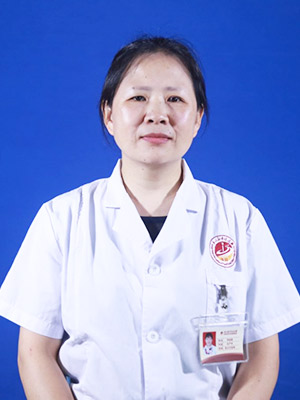
Dr. Deng Xuanbi
Introduction
1. Inflammatory causes, such as chronic adnexitis, pelvic connective tissue inflammation, and chronic uterine myositis.
2. Uterine causes: In multiparous women, chronic uterine involution insufficiency; elastic fiber tissue within the uterine myometrium of multiparous women is interspersed among smooth muscle fibers.
3. Pathogen infection: Pathogens that may cause uterine enlargement include primarily mycoplasma, chlamydia, viruses, and bacteria.
An enlarged uterus results from thickening of the uterine myometrium, commonly caused by inflammation or pathogen infection. It may be accompanied by uterine bleeding, cervical erosion, and other conditions. This condition is frequently observed in multiparous women; however, its incidence has been rising among younger women in recent years, with the average age of onset progressively decreasing. Contributing factors include uterine trauma, ovarian dysfunction, inflammation, and pelvic fibrous connective tissue hyperplasia. So, what causes uterine enlargement? The following sections address this question.

Causes of Uterine Enlargement
1. Inflammatory Causes
Chronic adnexitis, pelvic connective tissue inflammation, and chronic uterine myometritis can induce collagen fiber proliferation within the myometrium, leading to uterine fibrosis. Prolonged chronic inflammation also causes cervical hyperemia and edema, as well as hyperplasia of cervical glands and stroma, resulting in varying degrees of cervical hypertrophy. Additionally, pelvic venous congestion may stimulate connective tissue proliferation in the uterus, contributing to uterine enlargement.

2. Uterine Causes
Incomplete uterine involution following repeated childbirth is common among multiparous women. In such cases, elastic fiber tissue within the myometrium proliferates between smooth muscle fibers and around blood vessels, causing uterine enlargement. Ovarian dysfunction may also contribute—persistent estrogenic stimulation leads to myometrial thickening. Clinically, patients with dysfunctional uterine bleeding, especially those with prolonged disease duration, often exhibit varying degrees of uterine enlargement.

3. Pathogen Infection
Certain pathogenic microorganisms are among the primary causes of uterine enlargement. Common pathogens associated with uterine enlargement include Mycoplasma, Chlamydia, viruses, and bacteria. Therefore, patients with uterine enlargement should receive appropriate nutritional supplementation—including vitamins and iron—to prevent complications arising from prolonged menorrhagia. For cases involving severe or extensive cervical hypertrophy and erosion, cervical conization may be indicated.
The above outlines the main causes of uterine enlargement. We hope this information is helpful to you.





