What are the symptoms of inguinal hernia in the testicles?
Nov 16, 2021
Source: Cainiu Health
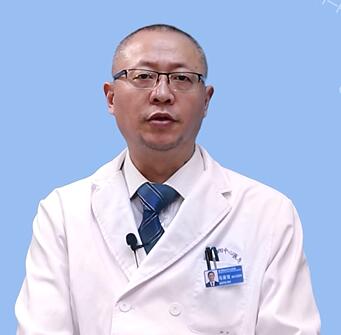
Dr. Ma Fujun
Introduction
Symptoms of inguinal hernia involving the testis typically include hydrocele (fluid accumulation in the tunica vaginalis), a palpable testicular mass, and abdominal pain. The hernia exerts pressure on the testis, restricting its mobility and thereby causing both abdominal and scrotal pain. Surgical repair of the hernia is the primary treatment option. However, when a testicular mass is present, gentle manual compression of the affected area—combined with increased intra-abdominal pressure—may help reduce the mass.
Testicular hernia is a physiological condition resulting from excessive fluid accumulation between the tunica vaginalis (testicular membrane) and its parietal layer. This excess fluid exerts excessive pressure, causing thickening of the parietal layer and rendering it opaque—ultimately leading to the development of testicular hernia. So, what symptoms does testicular hernia present? The following section addresses this question.

What Are the Symptoms of Testicular Hernia?
Common symptoms of testicular hernia include hydrocele (fluid accumulation in the tunica vaginalis), scrotal mass, and abdominal pain. Pressure from the hernia on the testicle may restrict testicular mobility, thereby causing abdominal and scrotal pain. Surgical repair of the hernia is typically recommended for treatment. However, when a scrotal mass is present, gentle manual compression of the affected area—combined with increased intra-abdominal pressure—may help reduce the swelling. Additionally, because testicular hernia tends to recur, appropriate postoperative care and rehabilitation are essential. It is highly advisable to seek prompt medical evaluation and treatment at a reputable hospital upon diagnosis of scrotal hernia; delaying treatment may lead to more serious complications.

Knowledge Expansion: What Causes Testicular Hernia?
1. There are multiple causes of inguinal hernia. In children, hernias often arise from developmental anomalies involving the descent of the testes—specifically, failure of closure of the processus vaginalis during testicular descent. Since the right testicle typically descends later than the left, such hernias occur more frequently on the right side.
2. In adults, hernia formation has numerous contributing factors, the most prominent being weakness of the abdominal wall combined with elevated intra-abdominal pressure. In elderly individuals, age-related muscle atrophy further weakens the abdominal wall—particularly in the inguinal region—which contains natural anatomical passages for vessels, the spermatic cord (in males), or the round ligament of the uterus (in females), thus predisposing to hernia formation.
The above outlines the common symptoms associated with testicular hernia. We hope this information proves helpful to you.