


What should I do if my wound becomes infected?
Dec 02, 2021
Source: Cainiu Health

Dr. Wang Jihong
Introduction
How to manage a wound infection:
1. Remove contaminants: For newly sustained wounds, promptly rinse thoroughly with copious amounts of clean water to remove debris and contaminants from the wound site.
2. Disinfect the wound: After initial cleansing, disinfect the wound using povidone-iodine or medical-grade alcohol to effectively prevent bacterial infection.
3. Prompt wound closure: Timely suturing facilitates optimal healing and minimizes scar formation.
After a wound occurs, prompt disinfection is essential to prevent infection. If infection develops, additional symptoms may appear—such as redness, swelling, warmth, and pain—indicating an inflammatory response that causes discomfort. So, how should one manage a wound infection? Below, we outline key steps for effective management.
How to Manage a Wound Infection
1. Removal of Contaminants
Fresh wounds should be immediately rinsed thoroughly with copious amounts of clean water to remove debris and reduce the risk of secondary infection. Cold water may also induce vasoconstriction, helping to control bleeding and prevent excessive blood loss.
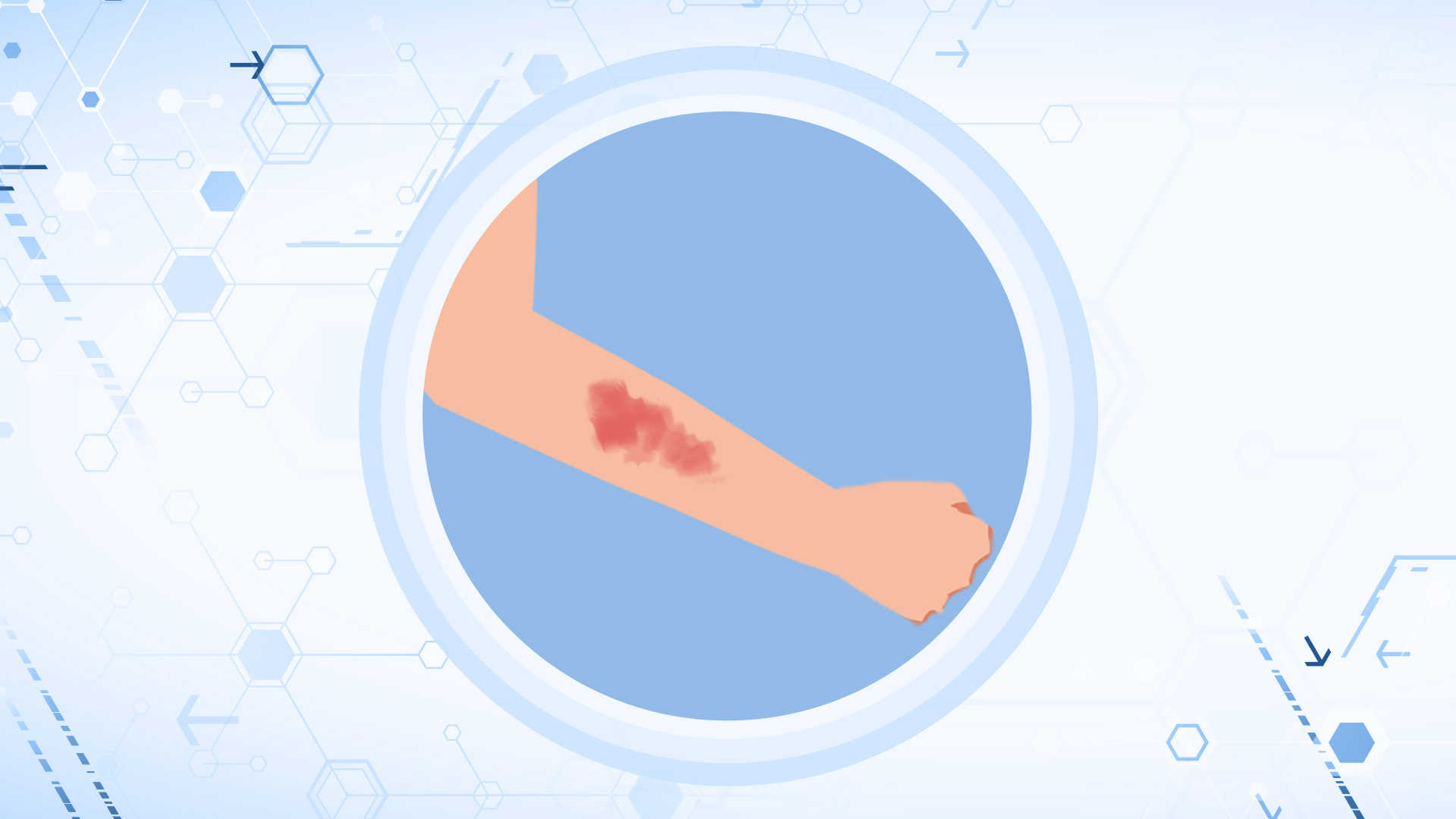
2. Wound Disinfection
After initial cleansing, the wound should be disinfected using povidone-iodine or medical-grade alcohol. A povidone-iodine–soaked cotton swab should be used to wipe the wound in concentric circles—from the center outward—to minimize bacterial contamination. Alternatives such as benzalkonium bromide or hydrogen peroxide are also effective antiseptic agents.
3. Timely Suturing
Deep or large wounds typically require prompt surgical closure after initial management to support tissue regeneration, accelerate healing, and minimize scarring. For purulent wounds, debridement—removal of necrotic tissue—is critical. Topical application of Jinhuang San (a traditional Chinese herbal powder) may be considered to suppress bacterial growth, reduce inflammation, promote blood circulation, and stimulate granulation tissue formation.
What to Do if a Wound Infection Fails to Heal
1. Treat Underlying Conditions
If delayed wound healing persists, underlying systemic conditions must be addressed. For example, unstable blood glucose levels significantly impair wound repair; thus, strict glycemic control is essential to optimize healing. Similarly, patients with peripheral arterial disease—including atherosclerosis or vascular occlusion—often exhibit poor local perfusion, which hinders healing. In such cases, adjunctive pharmacotherapy to improve microcirculation may be necessary.
2. Nutritional Support
Nutritional deficiency—particularly protein insufficiency—is a well-established contributor to impaired wound healing. Severe protein depletion compromises cellular regeneration, especially when methionine (an essential sulfur-containing amino acid) is deficient, leading to stunted tissue growth at the wound site. Therefore, increasing dietary protein intake is crucial. Patients should be advised to consume high-protein foods to supply adequate nutrients for optimal wound repair.
The above outlines key principles for managing wound infections. For severe wounds—or those showing signs of progressive infection—prompt medical evaluation at a hospital is essential. Intravenous antimicrobial therapy may be required in serious cases. We hope this information proves helpful.





