How to Treat Freckles
Dec 07, 2021
Source: Cainiu Health
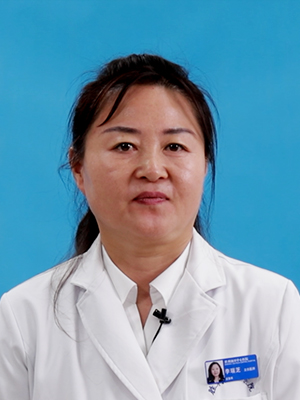
Dr. Li Ruizhi
Introduction
1. Avoid having an overly impatient temperament, as this psychological state can actually promote the development of freckles.
2. Ensure adequate sleep—sleep plays a vital role in skin health, surpassing the benefits of many skincare products; this is well understood by most beauty-conscious women.
3. Increase vitamin C intake for the face—beauty-conscious women can regularly supplement their facial skin with vitamin C.
Freckles are a relatively common skin condition with multiple causative factors—including congenital (hereditary) causes. They manifest as small, yellowish-brown, discrete pigmented spots on the facial skin and follow an autosomal dominant inheritance pattern. Sun exposure can trigger and exacerbate these lesions. So, how are freckles treated? The following section addresses this question.

How Are Freckles Treated?
1. Maintain Emotional Calm—Avoid Excessive Irritability
Women often place great importance on their appearance; thus, developing freckles may cause significant discomfort—and even lead to psychological burdens such as anxiety and irritability. Ironically, such emotional stress may actually promote the development of freckles. Therefore, maintaining mental composure is essential for freckle management—cultivating a relaxed, easygoing mindset is highly recommended.
2. Ensure Adequate Sleep
Sleep plays an unparalleled role in skin health—surpassing even many topical skincare products—in promoting skin rejuvenation and radiance. This is well recognized by most beauty-conscious women. To maintain fair, smooth, and youthful-looking skin, sufficient sleep is critically important—especially during the “golden hours” of sleep between 10 p.m. and 3 a.m. Missing this window cannot be fully compensated for later; thus, even amid a demanding work schedule, prioritizing rest remains essential.
3. Increase Vitamin C Intake for the Face
Vitamin C effectively helps lighten freckles. Beauty-conscious women may therefore consider incorporating vitamin C into their facial care routine—for example, using homemade lemon juice as a facial mask. However, correct preparation is crucial: dilute lemon juice in water before application. Improper use—such as applying undiluted lemon juice directly—may instead increase the risk of hyperpigmentation.
Additional Information: Diagnostic Criteria for Freckles
(1) Age: Onset typically occurs in early childhood, sometimes as early as age 3. The number of freckles tends to increase with age, and they are more prevalent in females than in males.
(2) Location: Predilection sites include sun-exposed areas such as the face, dorsum of the hands, and forearms; occasionally, the lower legs may also be involved. Freckles are asymptomatic.
(3) Clinical Features: Lesions appear as discrete, round, light brown to dark brown macules, ranging from pinhead- to millet-sized. They are clearly demarcated, non-confluent, smooth-surfaced, and non-scaly. They may be scattered or clustered. Lesion color deepens and numbers increase after sun exposure in summer, whereas both color and number tend to fade during winter.
The above outlines approaches to managing freckles. We hope this information proves helpful to you.