Differences Between Pulmonary Tumors and Lung Cancer
Dec 09, 2021
Source: Cainiu Health

Dr. Ren Xiaoping
Introduction
Differences Between Pulmonary Tumors and Lung Cancer:
Difference 1: A pulmonary tumor refers to an abnormal mass in the lung tissue that differs from normal cells. Pulmonary tumors are classified as either benign or malignant, and both types can significantly impair respiratory function.
Difference 2: Lung cancer is a malignant form of pulmonary tumor and exhibits the most rapid increase in both incidence and mortality rates.
Most people are familiar with tumors. Tumors can be either benign or malignant, whereas all cancers are malignant tumors. Cancer poses significant health risks to patients, and tumors in general also carry substantial risks—some benign tumors may even progress to cancer. So, what is the difference between pulmonary tumors and lung cancer? Let’s explore this further.
Differences Between Pulmonary Tumors and Lung Cancer
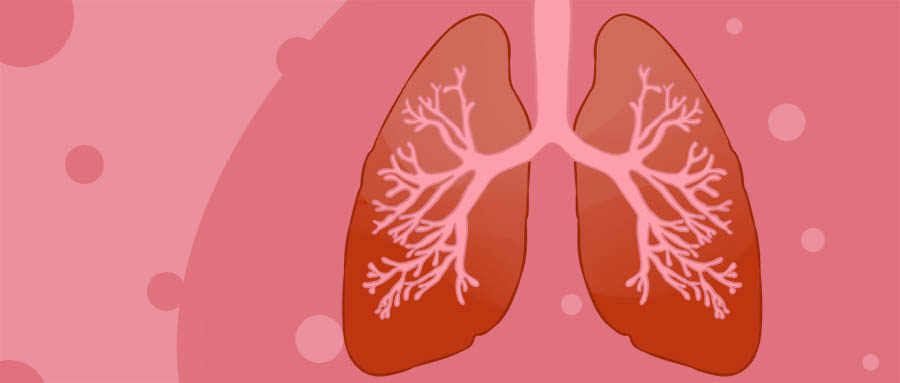
Difference #1:
A pulmonary tumor refers primarily to an abnormal mass of tissue in the lungs that differs from normal lung cells. Pulmonary tumors are classified as either benign or malignant, and both types can significantly impair respiratory function.
Difference #2:
Lung cancer is a malignant form of pulmonary tumor. It exhibits one of the fastest-growing incidence and mortality rates globally and ranks among the most life-threatening malignant tumors worldwide. Primary risk factors include long-term smoking and other unhealthy habits. Epidemiological data indicate that individuals who begin smoking at a younger age face a higher risk of developing lung cancer. The disease carries extremely high morbidity and mortality rates and remains notoriously difficult to cure—even today, effective treatment options remain limited worldwide.
Difference #3:
The key distinction lies in the fact that pulmonary tumors encompass both benign and malignant types, meaning their biological behavior cannot be assumed without diagnostic confirmation. In contrast, lung cancer is, by definition, always malignant. Thus, lung cancer is a subset of pulmonary tumors—a relationship of inclusion—not equivalence, and the two terms must not be used interchangeably.
Difference #4:
In summary, both pulmonary tumors and lung cancer pose serious threats to health. Although pulmonary tumors may be benign or malignant, even benign tumors can cause harm to the body. Therefore, prompt medical evaluation and early intervention are essential upon detection. This urgency is even greater for lung cancer. To safeguard your health, we recommend undergoing at least one comprehensive physical examination annually—prevention is always better than cure.
The above outlines the key differences between pulmonary tumors and lung cancer. We hope this information has been helpful—and wish you good health and happiness.