


Optimal Treatment for Pulmonary Squamous Cell Carcinoma
Dec 09, 2021
Source: Cainiu Health

Dr. Ren Yi
Introduction
There is no universally accepted “best treatment” for pulmonary squamous cell carcinoma. This condition is generally managed through a combination of surgical resection, radiotherapy, chemotherapy, targeted therapy, and immunotherapy. If you experience any discomfort, seek medical attention promptly. Surgical treatment—aiming for complete (curative) tumor resection and regional lymph node dissection—is recommended for patients with stage I, stage II, and selected stage IIIA disease.
There is no single “best treatment” for pulmonary squamous cell carcinoma. This type of lung cancer is generally managed through a combination of approaches, including surgery, radiation therapy, chemotherapy, targeted therapy, and immunotherapy. If you experience any discomfort, consult a healthcare professional promptly.
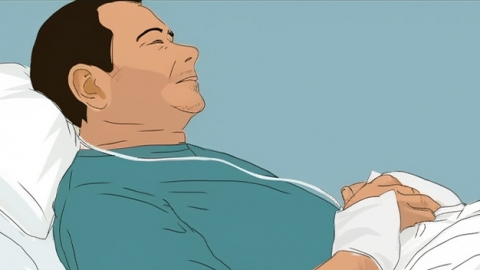
1. Surgical Treatment
Because pulmonary squamous cell carcinoma tends to metastasize relatively late, surgical resection often yields favorable prognoses. Surgery is therefore a common and primary treatment modality. Patients with stage I, II, or carefully selected stage IIIA disease are generally candidates for surgical intervention, aiming for complete (curative) tumor resection along with regional lymph node dissection.
2. Radiation Therapy
Radiation therapy uses high-energy ionizing radiation to kill cancer cells or inhibit their growth. For pulmonary squamous cell carcinoma, it may serve as an adjuvant treatment following surgery to eradicate any residual microscopic disease and reduce the risk of recurrence. It is also indicated for patients who are not surgical candidates—helping to shrink tumors and alleviate associated symptoms.
3. Chemotherapy
Chemotherapy employs cytotoxic drugs to destroy cancer cells. These agents are typically administered intravenously or orally and circulate systemically via the bloodstream to target cancer cells throughout the body. In pulmonary squamous cell carcinoma, chemotherapy inhibits cancer cell proliferation and growth. Neoadjuvant chemotherapy (given before surgery) may be used to downsize tumors, thereby facilitating more complete surgical resection.
4. Targeted Therapy
Targeted therapy is a precision oncology approach that specifically inhibits molecular targets uniquely expressed or dysregulated in pulmonary squamous cell carcinoma cells—such as proteins critical to cancer cell growth, proliferation, invasion, or metastasis. By selectively blocking these targets, targeted drugs suppress tumor progression while minimizing collateral damage to healthy tissues.
5. Immunotherapy
Immunotherapy harnesses the patient’s own immune system to recognize and eliminate cancer cells. Under normal circumstances, tumor cells evade immune surveillance through various immunosuppressive mechanisms. Immune checkpoint inhibitors and other immunotherapeutic agents counteract this immune evasion, restoring the immune system’s ability to detect and attack malignant cells.
Note: Early detection and prompt treatment are crucial. Comprehensive supportive care—including nutritional guidance and psychological support—is essential to help patients maintain physical well-being and emotional resilience, thereby encouraging active, positive engagement in their treatment journey.







