


How long can a patient live after esophageal cancer surgery?
Dec 13, 2021
Source: Cainiu Health
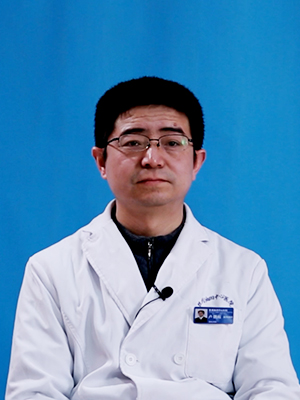
Dr. Lu Chaohui
Introduction
How Long Can Patients Live After Esophageal Cancer Surgery?
If esophageal cancer has progressed to the intermediate stage and the patient is in relatively good physical condition with strong tolerance, surgical treatment may be an option. Following surgery, patients with favorable recovery may achieve a five-year survival rate of approximately 60%. However, disease recurrence poses a significant threat to life.
Esophageal cancer is a malignant tumor arising from the epithelial tissue of the esophagus. Although its overall incidence is relatively low, it remains common in certain high-risk regions. The mortality rate associated with esophageal cancer is very high—comparable to that of gastric cancer. Prompt surgical intervention is essential upon diagnosis. So, how long can patients survive after esophageal cancer surgery? Let’s explore this further.
How Long Can Patients Survive After Esophageal Cancer Surgery?
If esophageal cancer has progressed to an intermediate stage and the patient is in good general health with strong tolerance for treatment, surgery may be a viable option. With favorable postoperative recovery, the five-year survival rate can reach approximately 60%. However, disease recurrence poses a significant threat to life.
In fact, even after successful intermediate-stage surgery, microscopic residual cancer cells may persist within the body. To minimize the risk of recurrence or metastasis, adjuvant therapies are essential following surgery. These may include radiotherapy or chemotherapy to eradicate remaining cancer cells. Additionally, traditional Chinese medicine (TCM) may serve as a complementary therapeutic approach.

Dietary Considerations for Esophageal Cancer Patients After Surgery
1. During the first seven days postoperatively, patients should consume liquid foods rich in zinc and calcium, such as milk, bone broth, and chicken soup. In the second week (days 7–14), if oral intake proceeds smoothly, patients should transition to nutritionally complete meals—for example, chicken, duck, or meat broths; rice porridge blended with carrot or spinach juice; and tremella fungus congee. After two weeks, patients may gradually advance to semi-liquid diets and soft foods.
2. Carbohydrate-rich foods: Experts recommend that patients consume appropriate amounts of carbohydrates postoperatively to ensure adequate caloric intake.
3. Anti-cancer foods: Regardless of whether patients are recovering from surgery or maintaining general health, incorporating anti-cancer foods into the diet is advisable. For instance, Cordyceps sinensis (Caterpillar fungus) has demonstrated efficacy in promoting phagocytosis of tumor cells and enhancing red blood cell adhesion to tumor cells. It may help prevent tumor recurrence and metastasis both during chemotherapy and following surgical resection.
The above provides an overview of survival expectations following esophageal cancer surgery. We hope this information is helpful to you. Wishing you a healthy and joyful life.






