


Where does kidney stone pain occur?
Dec 13, 2021
Source: Cainiu Health

Dr. Zhao Xinju
Introduction
When kidney stones are severe, the pain they cause can reach level 11 on the pain scale—second only to level 12 (the pain of childbirth). Prior to an episode of stone-induced colic, patients typically experience no symptoms. However, certain triggers—such as vigorous exercise, physical labor, or long-distance travel by vehicle—may suddenly provoke intense, colicky pain on one side of the waist or in the renal area, radiating downward to the lower abdomen and perineum.
Kidney stones (urinary calculi) and gallstones are common conditions, often causing pain in affected individuals. In cases where stones are small, symptoms may be mild; however, severe pain typically indicates a more serious condition. Details are as follows:
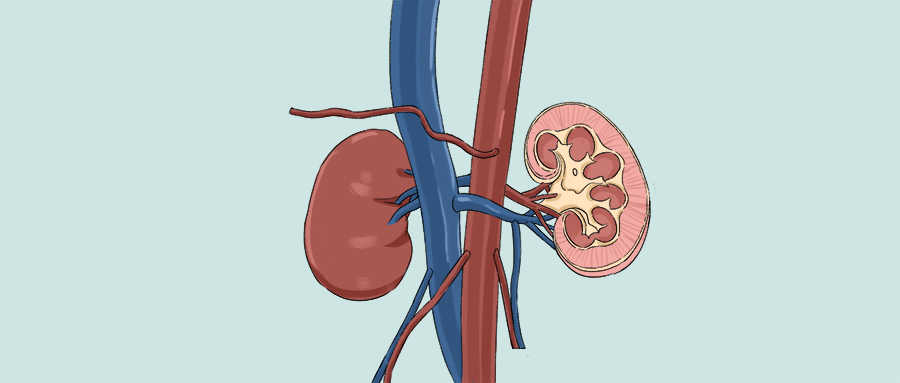
Where Does Stone-Related Pain Occur?
In the early stages of stone disease, many patients remain asymptomatic and are often diagnosed incidentally during routine physical examinations. However, when stone disease is severe, the associated pain can reach level 11 on the pain scale—second only to childbirth (level 12). Prior to an episode of renal colic, patients typically experience no warning symptoms. Yet, certain triggers—such as vigorous exercise, heavy labor, or prolonged travel—may suddenly provoke intense, colicky pain on one side of the flank or kidney region, radiating downward toward the lower abdomen and genital area.
In the case of gallstones, solitary or multiple stones freely floating within the gallbladder rarely cause obstruction and thus often produce no symptoms—termed “asymptomatic gallstones.” However, smaller gallstones may become lodged in the gallbladder neck, triggering clinical symptoms. These include persistent right upper quadrant abdominal pain, with paroxysmal exacerbations, often radiating to the right shoulder or back, and frequently accompanied by nausea and vomiting. In some patients, symptoms may spontaneously resolve within several hours.
Typical clinical manifestations of urolithiasis (urinary tract stones) include flank or abdominal colic and hematuria, often accompanied by urinary symptoms such as frequency, urgency, and dysuria—signs of urinary tract obstruction and infection—as well as complications including abdominal distension, nausea, and vomiting.
Regardless of their location, once stones are confirmed, prompt treatment is essential. Particularly for larger stones, conservative management alone is generally insufficient to achieve spontaneous stone passage.
We hope the above information is helpful to you. Wishing you good health and happiness!


