


How to Relieve Pain During a Kidney Stone Attack
Dec 27, 2021
Source: Cainiu Health

Dr. Zhao Xinju
Introduction
During a kidney stone attack, drinking water can help alleviate pain. In fact, the pain associated with kidney stone episodes primarily results from the body’s natural stone-passing process—when a stone becomes lodged within the urinary tract, triggering a natural pain response. Patients often experience severe pain during an attack; the best immediate action is to drink water—approximately two to three glasses—until a sensation of urinary urgency is felt, which indicates an appropriate amount.
Urolithiasis (urinary stones) is a relatively common condition with a high incidence rate today. Most people are quite familiar with urinary stones in daily life. Stone formation is closely linked to personal lifestyle habits. Many young adults today have poor dietary habits, irregular sleep patterns, and insufficient physical activity—factors that significantly contribute to stone development. Acute stone episodes can cause severe pain; however, drinking ample water may help alleviate this discomfort.
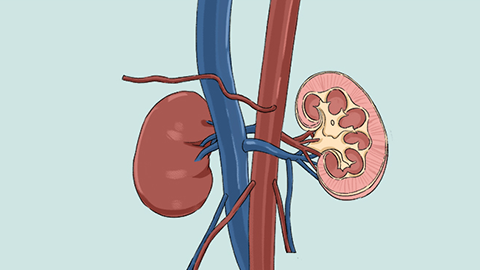
How to Alleviate Pain During a Stone Episode
During an acute stone episode, increasing fluid intake can help ease pain. Renal colic typically arises when a stone becomes lodged within the urinary tract during spontaneous passage, triggering a natural painful response. Patients often experience intense pain during such episodes. The most effective immediate measure is to drink water—approximately two to three glasses—until a strong urge to urinate develops. Thereafter, the pain usually begins to subside or diminish to a tolerable level.
While increased hydration helps relieve pain, it does not constitute definitive treatment; medical evaluation and intervention remain essential afterward. The mechanism behind this symptomatic relief involves urinary tract dilation, which reduces friction between the stone and ureteral wall, thereby facilitating stone passage through the urinary system. However, this approach addresses only the symptoms—not the underlying cause. Once pain subsides, patients should still seek professional medical care for stone removal or management.
Heat application is another supportive method for alleviating pain during stone episodes. For severe abdominal or flank pain, applying a warm compress (e.g., a hot water bottle) over the renal area while lying flat and resting may provide temporary relief. Prompt transport to a hospital is advised. Clinically, antispasmodic medications are commonly administered to relax smooth muscle spasm and thus reduce pain. Keeping some oral antispasmodics at home may be helpful. Additionally, maintaining warmth, avoiding cold exposure, ensuring adequate rest, and preventing excessive fatigue can all help minimize the frequency and severity of stone-related pain episodes.
Experiencing a stone episode is extremely distressing. Therefore, if stones are detected—even asymptomatically—timely medical treatment is crucial. Increasing daily fluid intake and engaging in regular physical activity promote spontaneous stone expulsion. Subsequently, adopting consistent, scientifically sound dietary habits—including balanced nutrition, increased consumption of fruits and vegetables—and integrating appropriate exercise regimens are vital for preventing stone recurrence.
We hope the above information proves helpful. Wishing you good health and happiness!




