


What does it mean to vomit yellow fluid on an empty stomach?
Dec 31, 2021
Source: Cainiu Health

Dr. Cui Zhenqin
Introduction
Vomiting yellowish fluid on an empty stomach—often occurring upon waking—may be accompanied by nausea. The yellowish, watery substance vomited is likely bile. In some cases, gastrointestinal retroperistalsis upon waking may cause bile reflux. If vomiting yellowish fluid is accompanied by a pronounced bitter taste in the mouth, bile is even more likely the cause.
Some individuals experience vomiting yellowish fluid on an empty stomach, which often leaves patients puzzled—unsure of what the yellow fluid is or how to treat this condition. Therefore, if you notice such symptoms, it is advisable to seek medical evaluation at a hospital promptly to identify the underlying cause as soon as possible. Below, we address the question: “What causes vomiting of yellowish fluid on an empty stomach?”
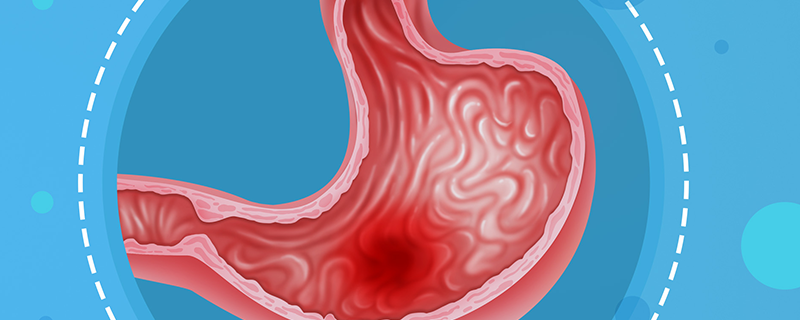
What Causes Vomiting of Yellowish Fluid on an Empty Stomach?
Vomiting yellowish fluid on an empty stomach—often occurring upon waking—may be accompanied by nausea and the expulsion of a yellow, watery substance. This yellow fluid is most likely bile. In some cases, gastrointestinal retroperistalsis (reverse peristaltic movement) may occur upon waking, leading to bile reflux. If the yellowish vomitus is accompanied by a pronounced bitter taste in the mouth, bile reflux becomes even more likely.
This symptom may also arise after consuming alcohol or inappropriate foods the previous evening. In such instances, the vomitus is likely alkaline bile; clinicians should assess for additional associated symptoms—such as fever or heartburn—to aid diagnosis. If bile reflux results solely from transient retroperistalsis, symptoms typically subside shortly after vomiting. However, persistent bile vomiting warrants investigation for potential mechanical obstruction, necessitating further diagnostic evaluation.
Knowledge Extension: What Should You Do If You Vomit Yellowish Fluid on an Empty Stomach?
1. Seek Medical Evaluation
Undergo diagnostic tests—including upper gastrointestinal endoscopy and abdominal ultrasound—to detect inflammation or other abnormalities and determine the precise cause of vomiting, enabling targeted treatment.
2. Dietary Adjustment
Vomiting yellowish fluid on an empty stomach indicates bile reflux; thus, minimizing gastrointestinal burden is essential. Consuming soft, well-cooked rice porridge may help alleviate vomiting triggered by gastric emptiness.
3. Hydration
Failure to replenish fluids after vomiting on an empty stomach can rapidly lead to dehydration and potentially serious complications. Timely rehydration not only supports diuresis but may also exert mild anti-inflammatory effects.
4. Abdominal Warmth
Maintaining abdominal warmth is crucial. Applying a warm compress (e.g., a hot water bottle) to the abdomen may effectively relieve discomfort.
The above outlines the potential causes and management strategies for vomiting yellowish fluid on an empty stomach. We hope this information proves helpful.






