How to Effectively Treat Epididymitis
Jan 04, 2022
Source: Cainiu Health
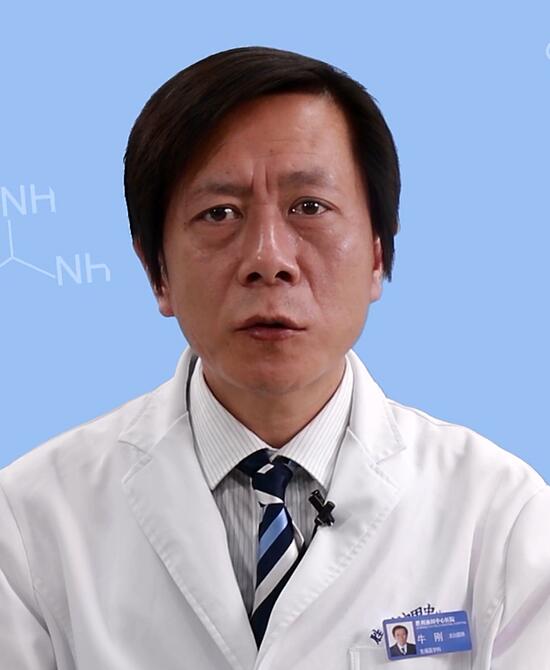
Dr. Niu Gang
Introduction
1. Antibiotics: The selection of antimicrobial agents should be guided by bacterial culture and antimicrobial susceptibility testing.
2. Supportive therapy: While undergoing the above treatments, patients should receive supportive care—for example, bed rest during acute epididymitis and scrotal support (e.g., using a scrotal sling) to alleviate pain.
3. Traditional Chinese Medicine (TCM): Herbal remedies are generally effective in addressing both the symptoms and underlying causes of the condition.
Epididymitis is an inflammatory condition commonly caused by bacterial infection—not fungal infection—and is typically treated with antibiotics such as trimethoprim-sulfamethoxazole (co-trimoxazole) or penicillin. Supportive therapy may also be employed, including scrotal support using a jockstrap or similar device, local infiltration of lidocaine at the upper pole of the testis to alleviate pain, and application of ice packs during acute episodes to reduce discomfort. Mild cases may be managed with traditional Chinese medicine (TCM). Below, we address the question: “What is the optimal treatment for epididymitis?”
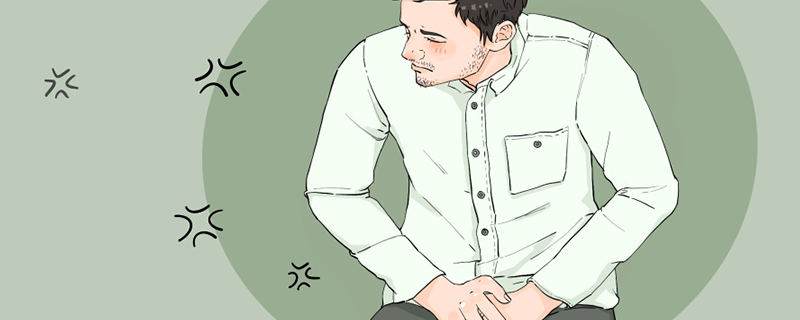
Optimal Management of Epididymitis
1. Antibiotic Therapy
Acute epididymitis is most frequently caused by enteric bacteria (e.g., Escherichia coli) or Pseudomonas aeruginosa, particularly in middle-aged and older men. Antibiotic selection should ideally be guided by culture and antimicrobial susceptibility testing. For patients sensitive to trimethoprim-sulfamethoxazole, oral administration twice daily for four weeks is recommended. If marked local erythema and swelling, leukocytosis, or fever are present, intravenous antibiotics should be initiated until defervescence occurs, after which oral antibiotics may be substituted.
2. Supportive Therapy
Supportive measures should accompany pharmacologic treatment. During the acute phase, bed rest is advised. Scrotal support helps relieve pain and discomfort. For severe epididymal pain, local injection of 20 mL of 1% lidocaine into the spermatic cord at the upper pole of the testis may provide symptomatic relief. Oral analgesics and antipyretics may also be used. In the early stage, cold compresses applied directly over the epididymis help minimize swelling; in later stages, warm compresses may accelerate resolution of inflammation and improve patient comfort. Nonsteroidal anti-inflammatory drugs (NSAIDs), such as indomethacin, may further alleviate symptoms. Sexual activity and strenuous physical exertion should be avoided during the acute phase, as both may exacerbate infection-related symptoms.
3. Traditional Chinese Medicine (TCM)
Commonly used TCM herbs include Gentiana scabra (Long Dan Cao), which clears heat, dries dampness, and calms liver wind; Bupleurum chinense (Chai Hu), which soothes the liver, promotes bile secretion, regulates qi flow, and dispels fire; Phellodendron amurense (Huang Bai), which clears heat and detoxifies while draining fire; Plantago asiatica (Che Qian Zi), which cools blood, clears heat, and eliminates toxins; and Scutellaria baicalensis (Huang Qin), which clears heat, dries dampness, and drains fire. Alternatively, proprietary herbal formulations—such as Lishi Xiaoyan Wan (a compound formula)—may be prescribed to achieve effects including clearing heat and toxins, promoting blood circulation, regulating qi flow, and relieving pain. A major advantage of TCM lies in its favorable safety profile, with minimal adverse effects. Moreover, TCM often addresses both the root cause and manifesting symptoms (“treating both root and branch”), making it suitable for both acute and chronic orchitis/epididymitis.
The above outlines evidence-based approaches to the effective management of epididymitis. We hope this information proves helpful.