


What medications work quickly for prostatitis?
Jan 04, 2022
Source: Cainiu Health
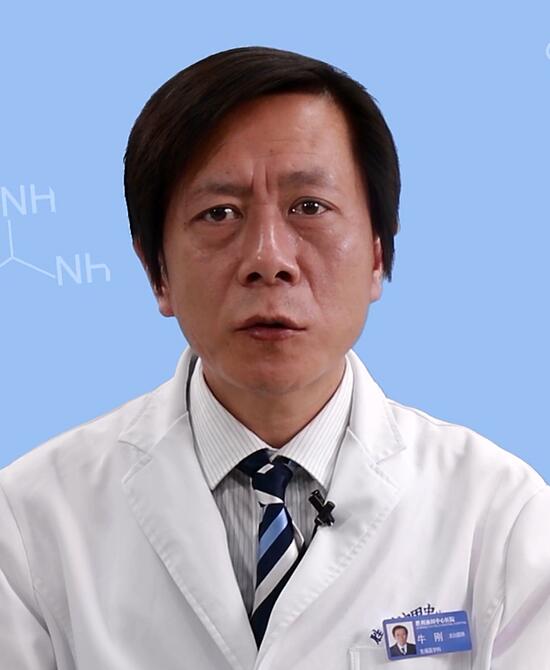
Dr. Niu Gang
Introduction
1. Levofloxacin is a quinolone antibacterial agent that can help treat prostatitis.
2. Allopurinol sustained-release capsules may also exert a therapeutic effect in the management of prostatitis.
3. Patients with prostatitis may also be treated with muscarinic (M) receptor antagonists, which effectively alleviate and resolve associated urinary symptoms.
Prostatitis is a common condition among middle-aged and elderly men. Its etiology is multifactorial, involving pathogen infection, excessive sexual activity, frequent masturbation, urinary dysfunction, and psychological factors. Patients typically present with symptoms such as urinary frequency, urgency, pelvic or perineal pain, and sexual dysfunction—significantly impacting both health and quality of life. Consequently, patients often seek medications offering rapid and effective therapeutic outcomes. So, which medications work quickly for prostatitis? Let’s explore this further.

Which Medications Work Quickly for Prostatitis?
1. Levofloxacin is a fluoroquinolone antibacterial agent commonly used to treat prostatitis. Since bacterial infection often contributes to prostatitis, levofloxacin is employed for its antimicrobial effect to alleviate inflammation and improve symptoms. However, some patients may experience suboptimal responses to this medication.
2. Allopurinol sustained-release capsules can also provide therapeutic benefits in managing prostatitis. Prostatitis frequently causes localized pain and discomfort; allopurinol helps reduce uric acid concentration in prostatic fluid, thereby effectively suppressing inflammation and relieving associated pain.
3. Muscarinic (M) receptor antagonists represent another treatment option for prostatitis. These agents help alleviate lower urinary tract symptoms—including nocturia, urinary urgency, and frequency—that often accompany prostatitis, by modulating bladder and urethral smooth muscle activity.
4. Antibiotics remain a cornerstone in the management of prostatitis, particularly bacterial forms. However, antibiotic selection must be tailored according to the specific type of prostatitis and results of antimicrobial susceptibility testing.
Additional Information: Daily Lifestyle Considerations for Prostatitis Patients
1. Maintain a light, bland diet. As prostatitis involves inflammatory changes in the prostate gland, dietary habits should emphasize mild, non-irritating foods. Avoid spicy or pungent items such as chili peppers, scallions, raw garlic, and black pepper. To support recovery, increase intake of fresh vegetables and fruits, whole grains, and soy-based products—all of which may exert beneficial effects on disease progression.
2. Adopt healthy lifestyle habits. Whether during the acute phase or throughout treatment, patients should prioritize regular sleep patterns, avoid prolonged late-night activity, and prevent physical overexertion. Sexual abstinence is advised during active treatment to minimize the risk of transmitting pathogens to sexual partners.
3. Engage in regular physical exercise. Once the condition has stabilized, moderate physical activity is encouraged. Exercise enhances immune function and improves local blood circulation in the prostate, facilitating absorption and resolution of inflammation. Recommended activities include brisk walking and slow jogging. Patients should carefully monitor exercise duration and intensity to avoid fatigue or overexertion.
The above outlines medications that may offer relatively rapid relief for prostatitis, along with essential daily care recommendations. We hope this information proves helpful to you.



