


Can cervical erosion heal spontaneously?
Jan 06, 2022
Source: Cainiu Health

Dr. Lei Ling
Introduction
Some mild cases of cervical erosion are quite normal—similar to oral ulcers—and are relatively common. If symptoms are mild, the condition often resolves spontaneously with supportive measures such as improving nutrition, exercising regularly, and drinking plenty of water; therefore, there is no need for excessive concern. Moderate cervical erosion typically progresses from the mild form and requires a medical evaluation at a hospital, followed by appropriate treatment.
Gynecological disorders pose a “silent threat” to women’s health, as certain untreated conditions may progress to cancer. Cervical ectropion (commonly—but inaccurately—referred to as “cervical erosion”) is a prevalent gynecological condition. Many healthcare facilities include educational information about it in their patient brochures. A frequently asked question is: “Can cervical ectropion resolve spontaneously?” Below, we address this question.
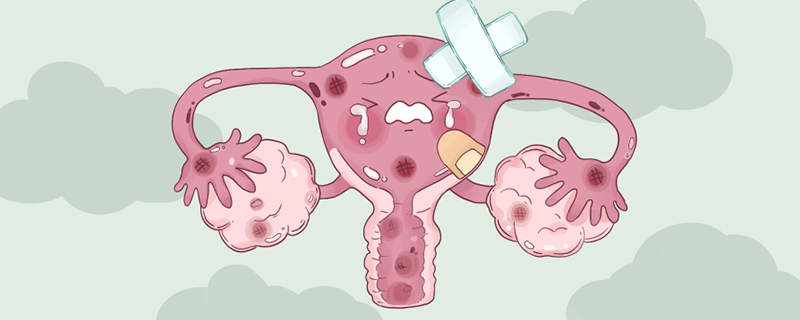
Can cervical ectropion resolve spontaneously?
Mild cervical ectropion is relatively common and physiologically normal—akin to recurrent aphthous stomatitis (canker sores) in the oral cavity. In mild cases, symptoms often resolve spontaneously with supportive measures such as improved nutrition, regular physical exercise, and adequate hydration. There is generally no need for excessive concern.
Moderate cervical ectropion typically develops from untreated mild cases. In mild cases, bacterial colonization around the cervix remains within manageable limits; however, in moderate cases, pathogenic bacteria have breached the body’s immune defenses—including white blood cells and local immune surveillance—and expanded their presence. Patients may then experience subtle pruritus of the vulva, abnormal vaginal discharge with odor, or increased leukorrhea. Medical evaluation and targeted treatment are essential at this stage.
Severe cervical ectropion represents an advanced stage requiring prompt clinical assessment. If diagnosed as severe, patients should remain confident: with appropriate, consistent medical intervention, many cases show progressive improvement and full recovery. Adherence to the physician’s treatment plan is critical to achieving optimal outcomes.
Additional Information: Key Considerations for Cervical Ectropion
1. If cervical ectropion coexists with vaginitis or cervicitis—manifesting as increased vaginal discharge, foul odor, or postcoital bleeding—prompt medical treatment is necessary.
2. Practice safe and hygienic sexual activity; avoid unprotected intercourse with unverified partners.
3. Avoid spicy and highly irritating foods, as these may induce pelvic and cervical hyperemia, thereby exacerbating ectropion.
4. Where possible, consider alternative contraceptive methods instead of relying solely on condoms—particularly if condom use triggers local irritation or allergic reactions.
The above outlines whether cervical ectropion can resolve spontaneously. We hope this information is helpful to you.




