


How long can a person with a brain tumor live without surgery?
Jan 10, 2022
Source: Cainiu Health
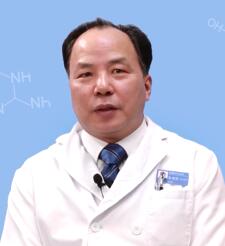
Dr. Zhu Zengkuan
Introduction
1. Radiation therapy: Under normal circumstances, radiation therapy is highly effective against certain types of brain tumors, including germinomas, pituitary adenomas, and gliomas.
2. Chemotherapy: Administration of chemotherapeutic agents to patients with brain tumors—either locally (e.g., via intratumoral or intraventricular delivery) or systemically (e.g., intravenously or orally).
3. Surgical treatment: Partial or complete resection of the tumor to minimize harm to the patient.
Brain tumors are relatively rare, but they pose significant health risks and require prompt treatment. Several treatment options exist for brain tumors, with surgery being the most common. However, not all brain tumor patients are suitable candidates for surgical intervention. So, how long can a patient with a brain tumor survive without surgery? Below, we address this question.
How Long Can a Patient with a Brain Tumor Survive Without Surgery?
1. Radiation Therapy
The first non-surgical treatment option for brain tumors is radiation therapy. Under normal circumstances, radiation therapy demonstrates excellent efficacy against certain types of brain tumors—including germinomas, pituitary adenomas, and gliomas—primarily because these tumors exhibit high radiosensitivity.
2. Chemotherapy
Chemotherapy involves administering cytotoxic drugs to brain tumor patients. Drug delivery may be localized (e.g., intratumoral or intrathecal injection) or systemic (e.g., oral administration or intravenous infusion). Regardless of the route, it is essential to protect the central nervous system from drug-induced damage.
3. Surgical Treatment
Surgery remains the most direct and effective treatment modality among current brain tumor therapies. Following successful resection—either partial or complete—the tumor is removed, thereby minimizing potential harm to the patient’s nervous system. Today, many tumor resections are performed under microscopic guidance, resulting in reduced surgical trauma and making it a highly viable therapeutic option.
4. Thermal Therapy
In clinical practice, thermal therapy is typically combined with radiation therapy to enhance its effectiveness. Intracranial tumor cells differ from those in other body regions in their heightened sensitivity to temperature; elevated temperatures can effectively destroy malignant cells.
5. Photodynamic Therapy (PDT)
Photodynamic therapy—often referred to by clinicians as laser therapy—is an advanced treatment for brain tumors. It involves intravenously administering hematoporphyrin derivatives (e.g., hematoporphyrin acetate or sulfate), which selectively accumulate within tumor tissue.
The above outlines survival expectations and treatment alternatives for patients with brain tumors who are not candidates for surgery. We hope this information proves helpful.







