


How long can a patient with advanced lung cancer survive?
Jan 10, 2022
Source: Cainiu Health
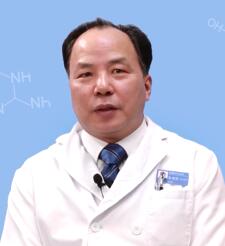
Dr. Zhu Zengkuan
Introduction
The prognosis of tumors is closely linked to disease stage. Generally, many patients with stage I or II non-small cell lung cancer (NSCLC) can be cured following surgical treatment, with a 5-year survival rate of 45%–65%; some early-stage lung cancer patients survive more than 10 or even 20 years, achieving long-term survival. For stage III lung cancer, multimodal treatment can yield a 5-year survival rate of up to 50%.
Survival duration for patients with advanced lung cancer depends on numerous factors, including treatment efficacy, the patient’s physical condition, and psychological state. Generally, most patients with advanced lung cancer survive less than five years; in some cases, survival may be as short as several months. Therefore, patients with advanced lung cancer should promptly cooperate with their physicians to undergo chemotherapy, radiotherapy, or surgery. Postoperatively, adequate rest, psychological adjustment, and moderate physical activity may help prolong survival.

How Long Can Patients with Advanced Lung Cancer Survive?
Prognosis of lung cancer is closely tied to disease stage. Generally, many patients with Stage I or II non-small cell lung cancer (NSCLC) can achieve cure following surgical resection, with five-year survival rates ranging from 45% to 65%. Some early-stage lung cancer patients survive over 10 or even 20 years—or remain long-term survivors. For Stage III lung cancer, multimodal treatment approaches can yield a five-year survival rate of approximately 50%. In contrast, Stage IV lung cancer carries the poorest prognosis: one-year survival stands at 30–40%, and two-year survival drops to 10–15%. For limited-stage small cell lung cancer (SCLC), the cure rate is about 20%; however, once distant metastasis occurs, the two-year survival rate falls below 5%, and the five-year survival rate approaches zero.
Additional Information: Key Considerations for Patients with Advanced Lung Cancer
Smoking is the most common cause of lung cancer; therefore, patients with advanced lung cancer must quit smoking immediately to prevent further disease progression. Diet should be light and balanced—emphasizing vegetables and fruits while minimizing intake of spicy foods (e.g., chili peppers) and seafood, which may be irritating. Adequate rest and avoidance of excessive fatigue are also essential.
Patients with advanced lung cancer may experience symptoms such as chest pain, severe coughing, pleural effusion, and bone pain. If pain becomes intolerable, analgesic injections may be administered to alleviate suffering. Radiotherapy and chemotherapy may also be employed to extend survival. Nutritional support is critical: patients should consume easily digestible foods—for example, millet porridge—and maintain appropriate warmth to avoid cold exposure and subsequent respiratory infections such as pneumonia.
The above provides an overview of survival expectations for patients with advanced lung cancer. We hope this information proves helpful.






