


Can a patient with early-stage cervical cancer survive for 30 years?
Jan 10, 2022
Source: Cainiu Health

Dr. Li Jingzhong
Introduction
Yes, there are indeed cases of patients with early-stage cervical cancer surviving for 30 years. Early-stage cervical cancer responds very well to treatment, and many patients survive beyond 20 or even 30 years without significant impact on life expectancy—provided the disease is detected and treated early. The most common symptom of early-stage cervical cancer is postcoital vaginal bleeding. Diagnosis can be confirmed via colposcopy-guided biopsy.
The cure rate for patients with early-stage cervical cancer remains very high, and there is generally no need to worry about its impact on life expectancy. It is essential to maintain a positive and optimistic mindset while confronting the disease. Treatment should be tailored according to individual symptoms and underlying causes, thereby maximizing therapeutic efficacy. Standard treatment modalities typically include radiotherapy, chemotherapy, and surgical intervention. In early-stage cases, surgical resection alone can completely remove the lesion and significantly reduce the risk of recurrence. So, can patients with early-stage cervical cancer live for 30 years? Below, we address this question.
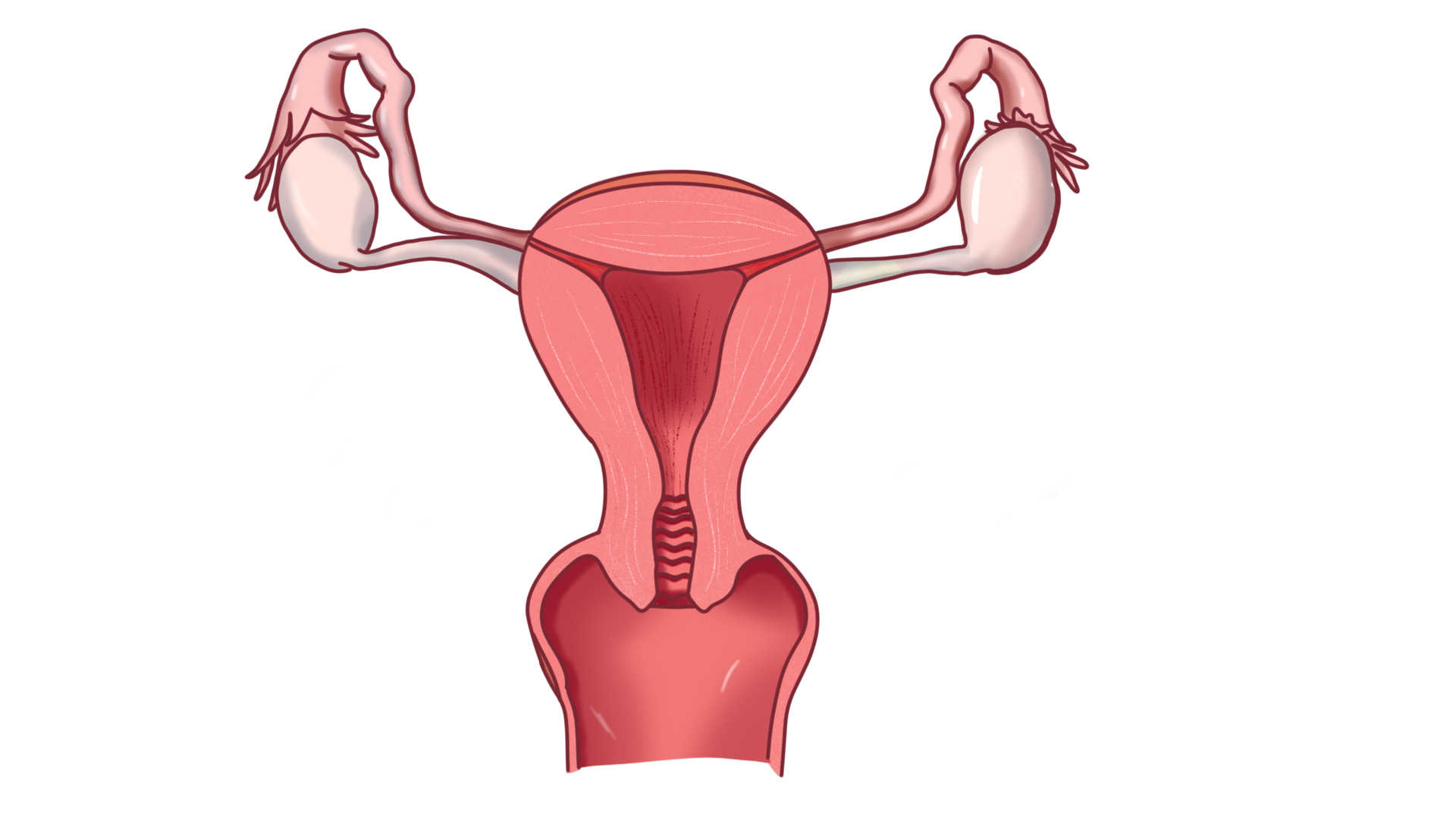
Can patients with early-stage cervical cancer live for 30 years?
Yes—many patients with early-stage cervical cancer do survive for 30 years or longer. Early-stage cervical cancer responds very well to treatment, and long-term survival exceeding 20 or even 30 years is common, provided diagnosis and treatment occur promptly. The most common initial symptom is postcoital vaginal bleeding. Diagnosis is confirmed via colposcopy-guided biopsy. Once cervical cancer is confirmed, if no distant metastases are present and the lesion remains localized, the disease is typically classified as early-stage, making cervical conization (local excision) a viable treatment option.
For older patients with no desire for future fertility, total hysterectomy may be recommended. Following surgery, adjuvant therapies—including radiotherapy and/or chemotherapy—may be administered to control disease progression and prolong survival. Most cervical cancers are squamous cell carcinomas, which are highly sensitive to radiotherapy.
Knowledge Extension: Key Considerations for Early-Stage Cervical Cancer
For women diagnosed with early-stage cervical cancer, one of the most important recommendations is to temporarily abstain from sexual intercourse and seek prompt medical evaluation and treatment. After surgical removal of the lesion, spontaneous remission is possible. Postoperatively, the excised tissue must undergo pathological examination to determine the precise tumor stage. Based on these findings, clinicians decide whether adjuvant chemotherapy is warranted for consolidation therapy.
If no evidence of cancer cell metastasis or dissemination is found post-surgery—and the pathology confirms Stage IA—chemotherapy is usually unnecessary; instead, regular follow-up with pelvic ultrasound is recommended. However, if the pathology report indicates Stage IB or Stage II disease, adjuvant chemotherapy is typically advised.
The above outlines the answer to the question, “Can patients with early-stage cervical cancer live for 30 years?” We hope this information proves helpful.






