


Why are my hands cold and sweaty?
Jan 12, 2022
Source: Cainiu Health

Dr. Yan Xinpeng
Introduction
Why are my hands cold and sweaty?
1. Endocrine and metabolic disorders: Hypothyroidism or adrenal cortical insufficiency can cause cold hands and feet along with excessive sweating.
2. Common types of shock—including hypovolemic shock, septic shock, sepsis-induced shock, and distributive shock—can also present with cold, sweaty hands and feet, as well as cold, clammy extremities.
Cold, sweaty hands may indicate “deficiency sweat”—a sign that the body is overly weakened and lacks sufficient resistance, thereby triggering such symptoms. If left unrelieved promptly, affected individuals may develop endocrine disorders or even transient shock. Therefore, patients should prioritize staying warm in daily life and engage in regular physical exercise to promote healthy blood circulation.
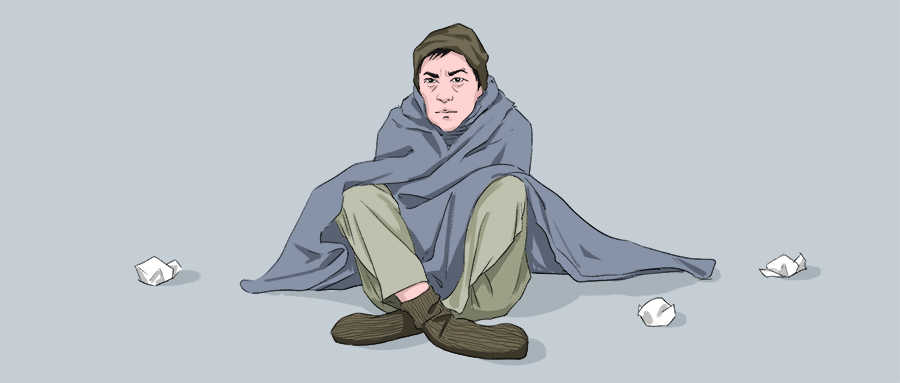
Why do hands feel cold yet sweaty?
Cold, sweaty hands and feet require a differential diagnosis from two perspectives. From the viewpoint of Traditional Chinese Medicine (TCM), cold extremities accompanied by excessive sweating typically reflect a “deficiency pattern.” In men, this is commonly attributed to kidney deficiency or qi deficiency; in women, it is often linked to yin deficiency or blood deficiency.
1. Endocrine and metabolic disorders—such as hypothyroidism or adrenal cortical insufficiency—can manifest with cold, sweaty extremities.
2. Common types of shock—including hypovolemic shock, septic shock, sepsis-induced shock, and distributive shock—may also present with cold, sweaty extremities, cold and clammy limbs, hypotension, rapid and weak pulse, and pallor.
3. Hypoglycemic coma can likewise produce cold, sweaty hands and feet.
4. During female perimenopause, imbalances in estrogen and progesterone secretion may lead to these same clinical manifestations.
Exposure to cold impairs systemic or localized blood circulation—particularly microcirculation in the distal extremities—resulting in cold hands and feet. Chronic coldness in the extremities, according to TCM theory, reflects qi deficiency, qi stagnation, or insufficient yang qi. Women are especially prone to cold hands and feet during specific physiological periods—such as menstruation, pregnancy, and postpartum—due to relative constitutional weakness. Without timely preventive measures, this may progress to fatigue, aversion to cold, and—in severe cases—to varicose veins in the lower limbs.
The above outlines the potential causes of cold, sweaty hands. We hope this information proves helpful.





