


What should I do if I experience a burning sensation in the urethra?
Jan 12, 2022
Source: Cainiu Health

Dr. Ma Fujun
Introduction
1. Maintain a relaxed and positive mood—watching movies, reading novels, or listening to music can help divert your attention and alleviate anxiety.
2. Seek medical attention promptly—visit a hospital as soon as possible to determine the underlying cause of your symptoms.
3. Increase fluid intake. Drinking more water increases urine output, which helps flush the urinary tract.
A burning sensation in the urethra is commonly associated with a urinary tract infection (UTI). UTIs are very common in daily life; for example, urethritis and cystitis can cause such symptoms, often accompanied by urinary frequency, urgency, and dysuria. Since different pathogens require distinct antimicrobial treatments, appropriate antibiotic selection depends on accurate pathogen identification. In addition to medication, increasing fluid intake is highly recommended. Below, we address the question: “What should you do if you experience a burning sensation in the urethra?”
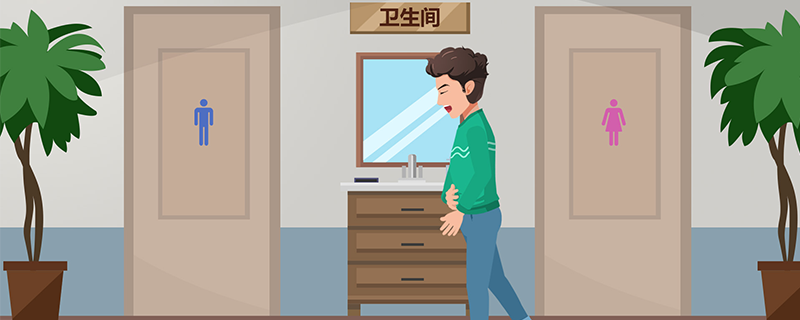
What to Do If You Experience a Burning Sensation in the Urethra
1. Maintain a Calm and Positive Mindset
First, if you develop an acute UTI, avoid anxiety or embarrassment—UTIs are not caused by personal fault but rather by identifiable factors. Try to stay relaxed: watch movies, read novels, or listen to music to divert your attention, thereby alleviating anxiety and reducing urinary irritation symptoms.
2. Seek Medical Attention Promptly
If you suspect an acute UTI, visit a healthcare provider promptly to determine the underlying cause. Clearly describe your symptoms to your doctor—do not hesitate or feel embarrassed. Provide details about symptom onset, prior antibiotic use, and any accompanying symptoms. Diagnostic tests may include urinalysis and imaging studies.
3. Increase Fluid Intake
Drinking ample water is essential during an acute UTI. Increased fluid intake boosts urine output, which helps flush bacteria from the urinary tract—reducing bacterial dwell time and alleviating symptoms. Do not avoid drinking due to painful urination; doing so may worsen the infection. Adequate hydration also facilitates the elimination of bacterial toxins.
4. Practice Good Hygiene
Maintaining meticulous personal hygiene is especially important during an acute UTI. Pay particular attention to cleaning the perineal area after using the toilet. Women should observe extra hygiene precautions during menstruation. Underwear should be changed frequently and preferably made of breathable, absorbent cotton fabric.
5. Ensure Adequate Rest
Rest is crucial during an acute UTI, particularly during active symptom flare-ups. Avoid staying up late or exposing yourself to cold or rain, as fatigue weakens immunity—creating opportunities for bacterial proliferation—and cold exposure may exacerbate UTI discomfort. Prioritize rest, consume nutritious foods, and engage in moderate physical activity to strengthen your immune system.
6. Use Medications Appropriately
In addition to the above measures, antibiotics are typically prescribed for acute UTIs. Always follow your physician’s instructions precisely—take medications at the correct dose, on schedule, and for the full prescribed duration. Never skip doses or discontinue treatment prematurely—even if symptoms improve—as incomplete therapy increases the risk of recurrence, which is common with UTIs.
The above outlines practical steps to manage a burning sensation in the urethra. We hope this information proves helpful to you.




