


What is Down syndrome screening for pregnant women?
Jan 12, 2022
Source: Cainiu Health
Dr. Qin Fengjin
Introduction
What is Down syndrome screening for pregnant women?
Down syndrome screening—short for prenatal screening for Down syndrome—is one of the mandatory prenatal examinations. It is a blood test that measures specific biochemical markers in the mother’s serum to identify pregnant women at high risk of carrying a fetus with chromosomal aneuploidies, particularly trisomy 21 (Down syndrome) and trisomy 18 (Edwards syndrome). This test calculates the probability (risk coefficient) of delivering a baby with Down syndrome.
During pregnancy, regular prenatal examinations are essential to ensure the fetus develops healthily and to monitor its developmental progress. Among the various prenatal tests, certain screenings are mandatory—and one of the most typical is Down syndrome screening. Because numerous prenatal tests are required throughout pregnancy, many expectant mothers remain unfamiliar with Down syndrome screening. So, what exactly is Down syndrome screening for pregnant women? Below, we provide a detailed overview of this important prenatal test.
What Is Down Syndrome Screening for Pregnant Women?
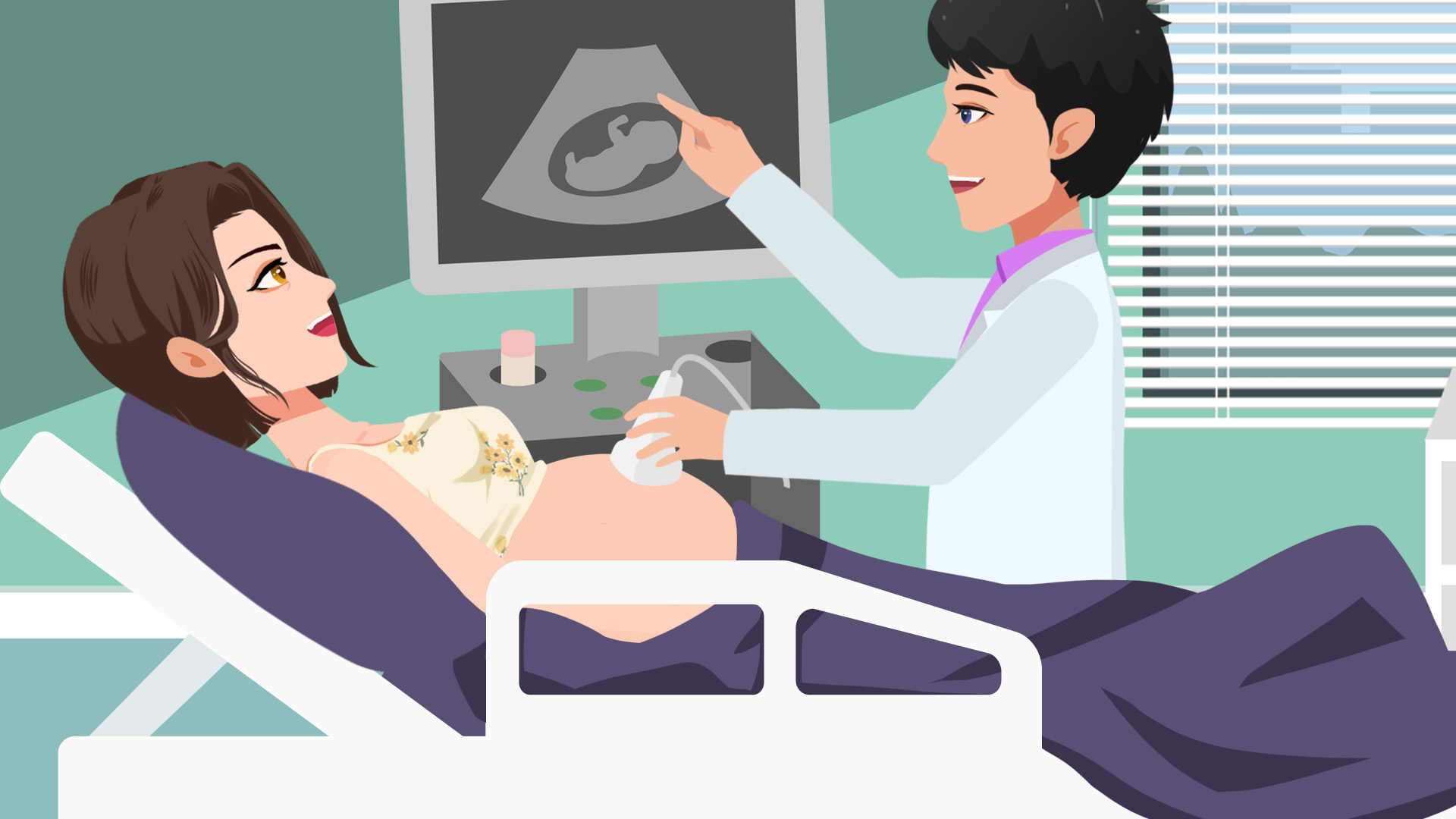
Down syndrome screening—short for “prenatal screening for Down syndrome”—is a mandatory component of routine prenatal care. This test involves drawing a maternal blood sample and analyzing specific biochemical markers in the serum to identify women at elevated risk of carrying a fetus with trisomy 21 (Down syndrome) or trisomy 18 (Edwards syndrome). It calculates the probability that the fetus will have Down syndrome.
Down syndrome is a chromosomal disorder caused by an extra copy of chromosome 21—hence its alternative name, “trisomy 21 syndrome.” Affected individuals typically exhibit severe intellectual disability, distinctive facial features (e.g., low-set ears, wide interpupillary distance, thickened nuchal skin), and limb abnormalities. Children with Down syndrome suffer profound cognitive impairment, congenital intellectual disability (“mongolism”), protruding tongue, complete dependence on caregivers for daily living, and frequently associated complex cardiovascular defects. The condition is lifelong and currently incurable. In China, for example, approximately one baby with Down syndrome is born every 20 minutes—imposing substantial emotional and financial burdens on families.
Maternal serum screening for Down syndrome is a highly effective method for identifying affected pregnancies. Any pregnant woman—regardless of age—has some risk of conceiving a fetus with Down syndrome. Historically, women aged 35 years or older were considered high-risk, as the likelihood of having a child with Down syndrome increases with maternal age. However, current evidence indicates that about 80% of Down syndrome cases occur among mothers under age 35.
Down syndrome screening helps narrow the pool of candidates requiring invasive diagnostic testing (e.g., amniocentesis) while ensuring no high-risk pregnancies are overlooked. Therefore, it is recommended that all pregnant women undergo this screening as a preventive measure. Additionally, measuring maternal serum alpha-fetoprotein (AFP) and human chorionic gonadotropin (hCG) levels can also help identify women at increased risk for neural tube defects, trisomy 18 syndrome, and trisomy 13 syndrome.
The above provides an overview of what Down syndrome screening entails for pregnant women. We hope this information proves helpful.





