


Treatment Methods for Thyroid Nodules
Jan 15, 2022
Source: Cainiu Health

Dr. Pan Yongyuan
Introduction
A thyroid nodule refers to a mass that develops within the thyroid gland. Such nodules typically move up and down with swallowing and are a relatively common condition, particularly prevalent among middle-aged women. Treatment options generally include emotional regulation, sclerotherapy, and surgical excision. During treatment, patients should learn to manage their emotions and maintain a positive mental state to achieve optimal therapeutic outcomes for thyroid nodules.
Thyroid nodules refer to lumps that develop within the thyroid gland. These nodules typically move up and down with swallowing and represent a relatively common condition, particularly among middle-aged women. Treatment options include emotional regulation, sclerotherapy, and surgical excision. Specific approaches are outlined below:
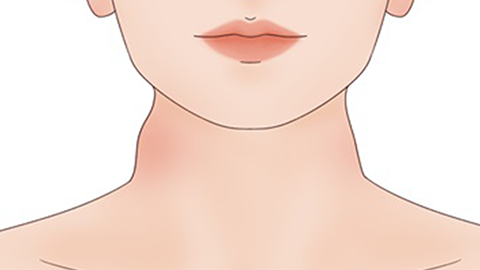
1. Emotional Regulation
Negative emotions and significant mood fluctuations frequently accompany the development of thyroid nodules; such psychological stress may accelerate disease progression. Therefore, learning to manage one’s emotions and maintaining a positive mental state are essential components of thyroid nodule management.
2. Sclerotherapy
For benign thyroid nodules—particularly autonomously functioning thyroid nodules or adenomas, as well as parathyroid adenomas—sclerotherapy is an effective treatment option. Under ultrasound guidance, absolute ethanol is injected directly into the nodule’s center. Repeated injections are administered until the nodule completely resolves.
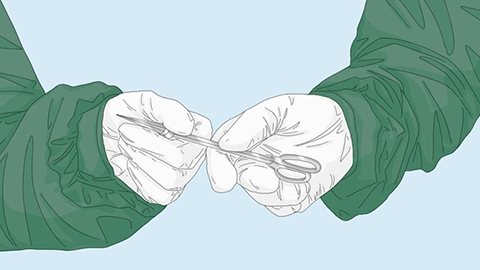
3. Surgical Excision
Autonomously hyperfunctioning thyroid adenomas may also be treated surgically. Preoperative preparation is essential to mitigate risks associated with thyrotoxicosis. Surgery may also be considered for patients concerned about other benign nodules or those unable to undergo regular follow-up monitoring.
During treatment, patients should adhere to a bland diet and avoid spicy, stimulating foods—including chili peppers, garlic, ginger, and similar items—to prevent interference with recovery.









