


Is pulmonary tuberculosis cancer?
Jan 15, 2022
Source: Cainiu Health
Dr. Zhang Jian
Introduction
Is Pulmonary Tuberculosis Cancer?
Pulmonary tuberculosis is not cancer; however, if left untreated or inadequately treated, it may increase the risk of malignant transformation. Pulmonary tuberculosis is a chronic infectious disease caused by *Mycobacterium tuberculosis*, which can involve multiple organs and lead to adverse symptoms such as night sweats, fatigue, weight loss, and low-grade fever. Prolonged, untreated pulmonary tuberculosis may cause mutations in certain hyperplastic cells, potentially leading to malignancy.
When tuberculosis (TB) of the lungs is mentioned, most people are likely familiar with it—after all, in earlier decades it was a particularly troublesome chronic respiratory infectious disease. Although current medical capabilities allow for effective management and cure of pulmonary TB, it remains a chronic condition requiring prolonged treatment. So, is pulmonary TB cancer? Let’s explore this question below.
Is Pulmonary Tuberculosis Cancer?
Pulmonary tuberculosis is not cancer; however, if left untreated or inadequately treated, it may increase the risk of malignant transformation. Pulmonary TB is a chronic infectious disease caused by Mycobacterium tuberculosis, which can affect multiple organs and lead to symptoms such as night sweats, fatigue, weight loss, and low-grade fever. If pulmonary TB remains untreated over a long period, persistent local lesions may develop. Chronic irritation at these sites can induce cellular proliferation and, over time, genetic mutations in individual cells—potentially leading to lung cancer. Therefore, early detection and prompt treatment of pulmonary TB are essential. Treatment should involve appropriate combination drug therapy, adequate dosing, strict adherence to prescribed regimens, and consistent, regular medication use.
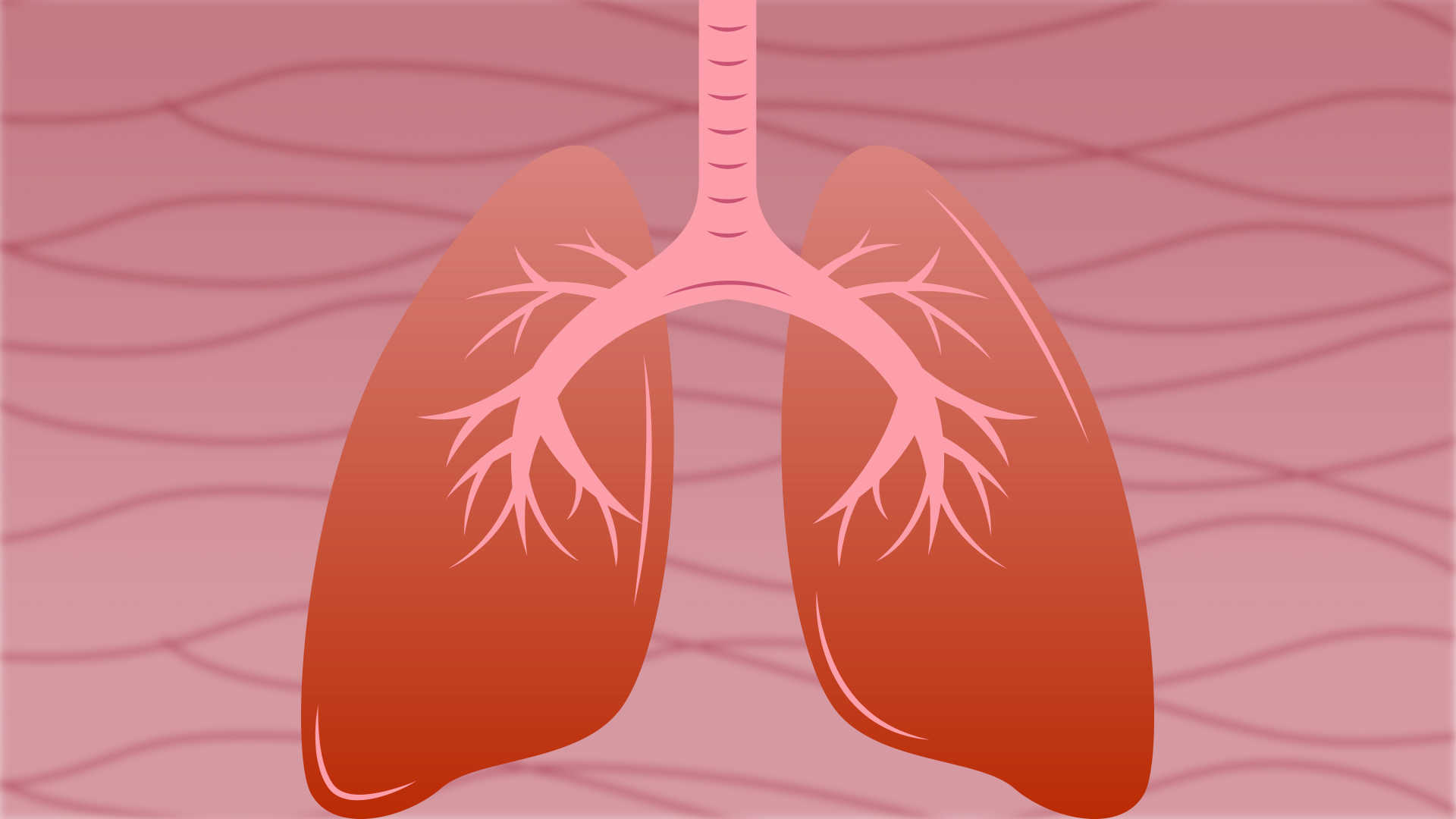
How Is Pulmonary Tuberculosis Treated?
Commonly used anti-tuberculosis drugs include streptomycin, levofloxacin, amikacin, isoniazid, and rifampin. After two months of intensive therapy, patients typically experience marked clinical improvement. At this stage, oral isoniazid or rifampin monotherapy may be initiated. Many patients show significant absorption and calcification of lesions—and overall clinical improvement—within four months of treatment. For patients who develop lung cancer as a complication of pulmonary TB, surgical resection should be performed as soon as possible. Postoperatively, radiotherapy and chemotherapy are recommended to suppress tumor growth and prevent rapid metastasis. Additionally, adjunctive anti-tumor agents—such as ginsenosides—may be considered.
In daily life, patients should maintain a nutritionally rich and well-balanced diet, emphasizing foods high in calories, vitamins, protein, and healthy fats—such as fish, shrimp, eggs, sea cucumber, beef, soy products, apples, bananas, strawberries, and peaches. The living environment must remain clean and well-ventilated, avoiding exposure to cold, damp, or polluted conditions. Patients should also maintain emotional well-being, while caregivers must strictly adhere to infection control measures to prevent transmission.
The above provides an overview of whether pulmonary tuberculosis is cancer. We hope this information is helpful to you.






