


What should I do if I have persistent coughing due to lung cancer?
Jan 17, 2022
Source: Cainiu Health
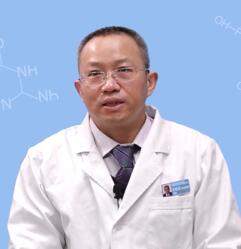
Dr. Li Jingzhong
Introduction
Patients with lung cancer often experience persistent coughing. Symptomatic treatment with antitussive medications may be initiated first—commonly used agents include compound licorice tablets and pentoxyverine tablets. If these prove ineffective, stronger antitussives—such as dextromethorphan or codeine phosphate tablets—may be added. Concurrently, cough suppression should be tailored according to the patient’s specific histopathological tumor type and overall physical condition.
Lung cancer is a malignant tumor originating from the bronchial mucosa or glands of the lungs. It exhibits the fastest-growing incidence and mortality rates among all malignancies and poses one of the greatest threats to public health and life. So, what should be done when persistent coughing occurs in lung cancer patients? The following section addresses this question.

What to Do for Persistent Cough in Lung Cancer Patients
For lung cancer patients experiencing persistent cough, symptomatic treatment with antitussive medications may be initiated first. Commonly used agents include Compound Liquorice Tablets and Pentoxyverine Tablets. If these prove ineffective, stronger antitussives—such as Dextromethorphan or Codeine Phosphate Tablets—may be added. Concurrently, standardized antitumor therapy must be selected based on the patient’s specific histopathological subtype and overall physical condition. Such therapies include chemotherapy, radiotherapy, molecular targeted therapy, and immune checkpoint inhibitor therapy.
If surgical resection is feasible, patients are advised to follow professional medical recommendations for standard surgical intervention. Moreover, if high-risk factors for recurrence are present postoperatively, adjuvant therapy should be actively pursued to optimize treatment outcomes and reduce the risks of tumor recurrence and metastasis.
Additional Information: Key Considerations in Lung Cancer Management
Patients with lung cancer should actively cooperate with prescribed treatments, and family members should provide enhanced supportive care. A diet rich in qi- and blood-tonifying foods is recommended to promote recovery. Smoking and alcohol consumption must be avoided entirely. Patients should also steer clear of fried, smoked/grilled, and puffed foods. A healthy, balanced diet supports recovery. When medically appropriate, timely surgical intervention is strongly encouraged. Patients should maintain regular daily routines and consume light, easily digestible meals. Smokers must quit smoking completely and avoid exposure to secondhand smoke.
The above outlines management strategies for persistent cough in lung cancer patients. We hope this information proves helpful.






