How long is the hospital stay for pleurisy?
Jan 21, 2022
Source: Cainiu Health

Dr. Sun Qifeng
Introduction
The duration of hospitalization for patients with pleurisy is primarily determined by the time required to control the infection. If effective infection control is not achieved within a short period—specifically, within one week—hospitalization must extend beyond one week; in fact, most patients remain hospitalized for over one month. This extended duration is necessary to ensure that antimicrobial drug concentrations reach and maintain therapeutic levels, thereby achieving effective antibacterial and bacteriostatic effects.
Pleurisy refers to inflammation of the pleura caused by pathogenic stimuli and is also known as “pleuritis.” It may or may not be accompanied by pleural effusion within the thoracic cavity. Below, we address the question: How long does hospitalization for pleurisy typically last?
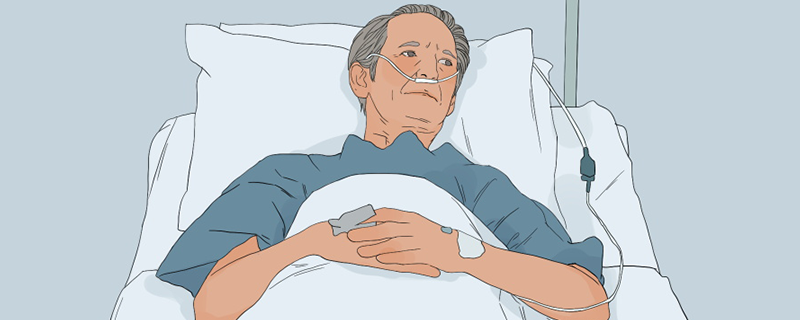
How Long Does Hospitalization for Pleurisy Last?
The duration of hospitalization for pleurisy primarily depends on how quickly the infection is brought under control. If effective control is not achieved within a short period—roughly one week—hospitalization will extend beyond one week. In fact, for most patients, hospitalization lasts over one month, as therapeutic drug concentrations must reach adequate levels to ensure effective antimicrobial and bacteriostatic activity.
Treatment typically involves intravenous antibiotics—for example, cephalosporins or levofloxacin hydrochloride. With such interventions, pleurisy can be effectively managed. Concurrently, diagnostic evaluations—including chest CT and chest X-ray—are essential to identify any coexisting intrathoracic conditions, such as pulmonary infection or pleural effusion. Once the precise etiology is established, more targeted and effective treatment strategies can be implemented.
Additionally, patients with pleurisy often experience significant symptoms such as chest tightness and dyspnea, necessitating supplemental oxygen therapy. During hospitalization, patients should avoid physical activities—especially strenuous ones like long-distance running, high jump, long jump, basketball, and soccer. Smoking and alcohol consumption must be strictly avoided, and patients should fully comply with guidance from healthcare professionals. For patients hospitalized longer than one month who exhibit mood changes, psychological intervention should be considered.
The above outlines the typical duration of hospitalization for pleurisy. We hope this information is helpful to you.