


How to Reduce Jaundice in Newborns
Jan 22, 2022
Source: Cainiu Health

Dr. Ma Yan
Introduction
1. Management of Physiological Jaundice with Elevated Bilirubin Levels:
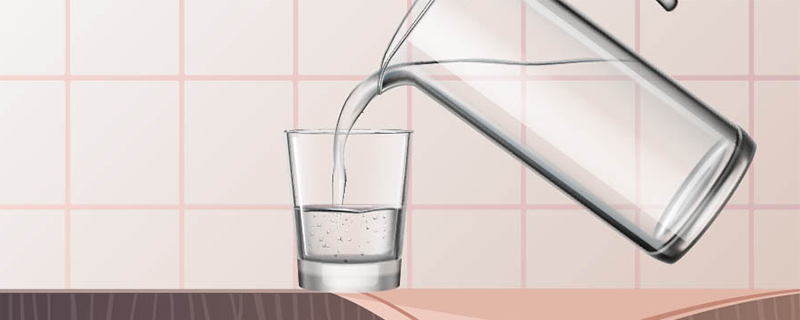
(1) Oral administration of plain boiled water: Administer 30 mL of plain boiled water to the infant twice daily—once in the morning and once in the evening.
(2) Glucose solution: When elevated bilirubin levels are detected, the infant may be given a small amount of glucose water.
(3) Sunlight exposure.
(4) Temporary cessation of breastfeeding.
Jaundice typically arises from liver-related disorders. A common cause in newborns is pathological neonatal jaundice. If not promptly recognized and treated, it can lead to serious complications—including intellectual disability and impaired neurodevelopment.
How to Reduce Jaundice in Newborns
1. Management of Elevated Physiological Jaundice
(1) Oral administration of plain water: Administer 30 mL of boiled, cooled water to the infant twice daily—once in the morning and once in the evening—and offer additional small amounts throughout the day to promote bilirubin excretion via urine and stool.
(2) Glucose solution: When elevated bilirubin levels are detected, a glucose solution (prepared by dissolving glucose in water) may be given orally. This method helps enhance caloric intake and supports bilirubin elimination.
(3) Sunlight exposure: Expose the infant to natural sunlight for approximately 10–15 minutes daily around 10 a.m., when UV intensity is relatively low. Ensure maximal skin exposure while carefully shielding the eyes from direct light.
(4) Temporary cessation of breastfeeding: If other measures prove ineffective, consider temporarily discontinuing breastfeeding for 48–72 hours. In some cases, maternal milk components may contribute to hyperbilirubinemia (“breast milk jaundice”), and bilirubin levels often decline following temporary interruption of breastfeeding.
2. Management of Pathological Jaundice
(1) Pharmacotherapy: After measuring serum bilirubin levels at a hospital, if values remain elevated, physicians may prescribe medications to help control bilirubin metabolism or enhance its clearance.
(2) Phototherapy (blue-light therapy): For confirmed pathological jaundice, hospital admission for phototherapy is required under medical supervision. The infant is placed in an incubator equipped with blue-light lamps to facilitate photo-oxidation and excretion of unconjugated bilirubin.
The above outlines evidence-informed approaches to managing neonatal jaundice. We hope this information proves helpful.






