


What Are the Symptoms of Mid-to-Late-Stage Cervical Cancer?
Jan 26, 2022
Source: Cainiu Health

Dr. Ren Xiaoping
Introduction
In the intermediate to advanced stages of cervical cancer, symptoms may become more pronounced. The most common symptom among many patients is contact bleeding—vaginal bleeding that occurs after intercourse. Other manifestations include irregular vaginal bleeding, prolonged menstrual periods, and increased menstrual flow. In advanced stages, patients may also experience urinary frequency and urgency, lower-limb edema, tubal obstruction, and constipation.
Cervical cancer is the most common gynecologic malignancy. The peak incidence of carcinoma in situ occurs between ages 30–35, while invasive cervical cancer most commonly affects women aged 45–55. In recent years, there has been a trend toward younger onset. Over the past few decades, widespread implementation of cervical cytology screening (e.g., Pap smears) has enabled earlier detection and treatment of cervical cancer and its precancerous lesions, resulting in significant declines in both incidence and mortality rates. So, what symptoms appear in the middle to late stages of cervical cancer? Below, we address this question.
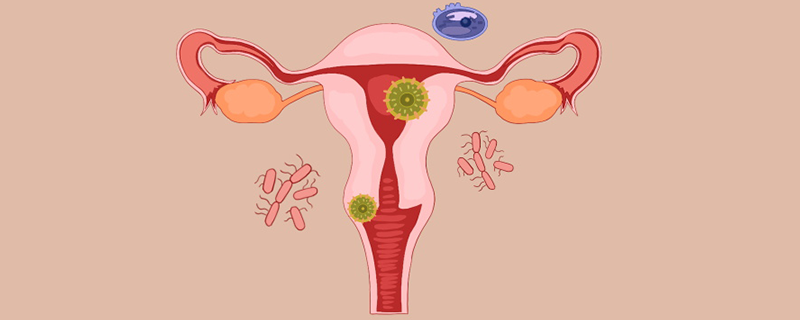
Symptoms of Middle- to Late-Stage Cervical Cancer
In middle to late stages, cervical cancer often produces more pronounced symptoms. The most common symptom reported by many patients is contact bleeding—i.e., vaginal bleeding following sexual intercourse or pelvic examination. Other manifestations include irregular vaginal bleeding, prolonged menstrual periods, and increased menstrual flow. In advanced stages, patients may also experience urinary frequency and urgency, lower-limb edema, ureteral obstruction, and constipation. Patients should maintain an optimistic mindset and avoid excessive psychological stress, which may exacerbate disease progression. Once diagnosed, cervical cancer warrants prompt and active treatment.
Knowledge Extension: Key Considerations for Cervical Cancer Patients
1. After diagnosis, patients should actively cooperate with their physicians in treatment planning. Therapeutic strategies are tailored according to individual disease characteristics. For early-stage cervical cancer, radical surgical resection generally yields excellent outcomes.
2. If high-risk factors for recurrence are present postoperatively, adjuvant chemotherapy and/or radiotherapy are typically recommended. Patients should strictly follow professional medical advice and undergo standardized adjuvant treatment to optimize therapeutic efficacy.
3. Maintain a balanced diet and healthy body weight. Avoid unintended weight loss or cachexia. Ensure adequate nutritional intake, including appropriate amounts of protein, carbohydrates, fats, and vitamins.
4. Prioritize rest, abstain from smoking and alcohol consumption, and practice good personal hygiene—including regular washing and changing of undergarments.
The above outlines the characteristic symptoms of middle- to late-stage cervical cancer. We hope this information proves helpful to you.






