What are the symptoms of azoospermia?
Jan 27, 2022
Source: Cainiu Health
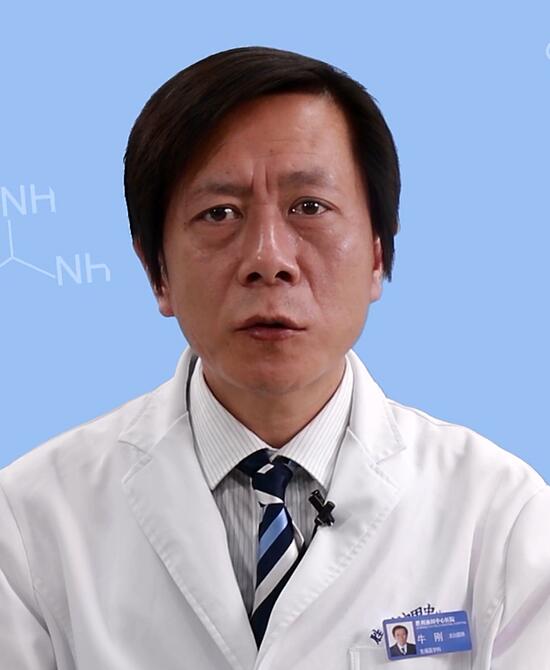
Dr. Niu Gang
Introduction
Azoospermia is a relatively common condition in clinical practice. Its symptoms primarily depend on the underlying cause in each patient; thus, the clinical manifestations may vary according to the specific etiology. For instance, azoospermia caused by anorchia (absence of testes) or cryptorchidism (undescended testes) mainly presents as an empty or underdeveloped scrotum, while azoospermia resulting from testicular atrophy is primarily characterized by a marked reduction in testicular volume.
A semen analysis revealing the complete absence of sperm is termed azoospermia. As one of the most challenging forms of male infertility to treat, azoospermia has historically caused profound distress for affected individuals and posed significant diagnostic and therapeutic dilemmas for clinicians. So, what are the symptoms of azoospermia? Below, we address this question.

What Are the Symptoms of Azoospermia?
Azoospermia is a relatively common clinical condition. Its symptoms primarily depend on the underlying etiology, and clinical manifestations may vary significantly according to the specific cause. For instance, in cases of azoospermia resulting from congenital absence of the testes or cryptorchidism (undescended testes), the main physical findings include an empty scrotum and underdeveloped scrotal tissue. In azoospermia secondary to testicular hypoplasia or testicular atrophy, the predominant symptom is a marked reduction in testicular volume.
In azoospermia caused by congenital chromosomal abnormalities—such as Klinefelter syndrome—patients may exhibit abnormal sexual development or features of disorders of sex development (DSD), including ambiguous genitalia. In contrast, azoospermia associated with varicocele may present with a sensation of heaviness, discomfort, or dull pain in the scrotal region.
Knowledge Extension: How Is Azoospermia Treated?
Azoospermia is broadly classified into two categories: obstructive azoospermia and non-obstructive azoospermia—and treatment strategies differ accordingly. For obstructive azoospermia, management should be tailored to the precise anatomical or functional cause identified through diagnostic evaluation, and patients must actively collaborate with their physicians. Surgical intervention—typically minimally invasive microsurgery—is required to restore patency of the obstructed ductal system; only after successful surgical correction can normal sperm transport resume. Adjunctive therapies—including hormonal modulation and traditional Chinese medicine—may further support spermatogenesis.
The above outlines the key symptoms associated with azoospermia. We hope this information proves helpful to you.