


What medications are used to treat tetanus?
Feb 09, 2022
Source: Cainiu Health
Dr. Zhou Fang
Introduction
Clinically, tetanus can be treated using both Western and traditional Chinese medicine. Western medical treatment primarily involves antibiotics for antibacterial therapy; commonly used agents include oral metronidazole or intramuscular penicillin-class antibiotics, which are highly effective against *Clostridium tetani*. In severe cases, combination antibiotic therapy may be employed.
Tetanus is a specific infection caused by Clostridium tetani, which enters the human body through skin or mucosal wounds, proliferates under anaerobic conditions, and produces toxins that trigger muscular spasms. So, what medications are used to treat tetanus? The following section provides answers to this question.
What medications are used to treat tetanus?
Clinically, tetanus is treated using both Western and traditional Chinese medicines (TCM).
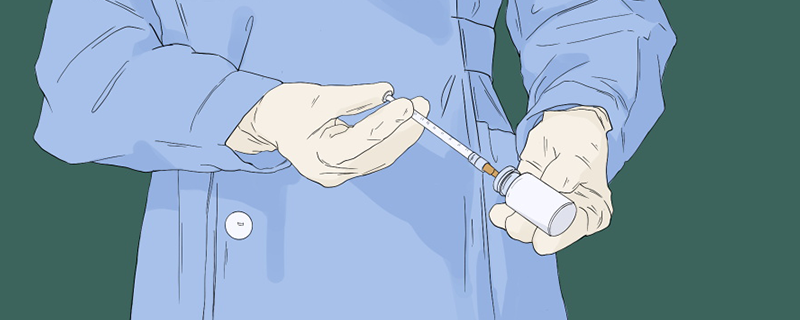
Western pharmacotherapy primarily involves antibiotics for antimicrobial treatment. Commonly prescribed agents include oral metronidazole or intramuscular penicillin-class antibiotics, both of which demonstrate good efficacy against C. tetani; in severe cases, combination antibiotic therapy may be employed. Additionally, analgesics—such as aspirin, ibuprofen, or morphine—are administered to alleviate pain. During acute symptomatic episodes, sedatives such as diazepam or sodium phenobarbital are used to control muscle spasms. Furthermore, tetanus immunoglobulin should be administered as early as possible to neutralize circulating toxin and mitigate disease progression.
In TCM, tetanus is categorized into distinct syndromes, each requiring syndrome-specific herbal formulations to achieve optimal therapeutic outcomes. For instance: - In the “Wind-Toxin on the Exterior” pattern, the treatment principle is to dispel wind and arrest spasms; the formula Yuzhen San combined with Wuhu Zhuifeng San (with modifications) may be prescribed. - In the “Wind-Toxin Penetrating Internally” pattern, the principle is to dispel wind, arrest spasms, clear heat, and resolve toxicity; Muyu San (with modifications) may be used. - In the “Yin Deficiency with Lingering Pathogen” pattern, the principle is to nourish blood and yin while unblocking the meridians; Sizhen Tang combined with Shashen Maidong Tang (with modifications) may be prescribed. Topical application of herbal preparations—including Yuzhen San, Hongyou Gao (Red Oil Ointment), or Shengji Baiyu Gao (Tissue-Regenerating White Jade Ointment)—may also be applied directly to the wound site.
Knowledge Expansion: Key Considerations in Tetanus Management
1. Medication selection must be individualized according to the patient’s clinical condition; indiscriminate or empirical drug use should be avoided, as it may exacerbate the disease.
2. Maintaining airway patency is critical during treatment. Patients should be regularly repositioned and given back percussion to facilitate expectoration and clearance of respiratory secretions. Supplemental oxygen should be provided; in severe cases, endotracheal intubation or tracheostomy with mechanical ventilation support may be required.
3. The patient’s environment should be kept quiet, clean, and free from auditory or visual stimuli. Room temperature and humidity should be maintained at comfortable levels. Close monitoring of vital signs and careful observation of spasm frequency and severity are essential.
The above outlines the pharmacological management of tetanus. We hope this information proves helpful to you.





