


How to Effectively Treat Angina Pectoris
Feb 09, 2022
Source: Cainiu Health
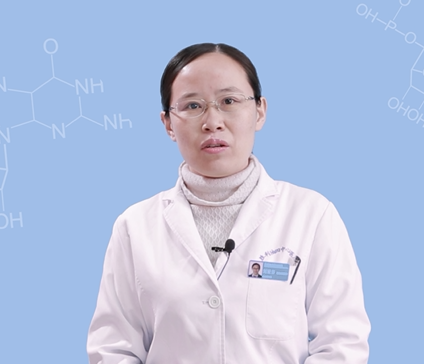
Dr. Liu Aifen
Introduction
Anti-ischemic drugs can effectively treat angina pectoris. If the patient is experiencing an acute episode, it is recommended that they place 0.5 mg of nitroglycerin sublingually and rest. Pain typically subsides within ten minutes. During the stable (remission) phase, beta-blockers are commonly used; typical agents include propranolol and metoprolol (note: these are contraindicated in variant angina).
Angina pectoris is a clinical syndrome characterized primarily by episodic chest pain or discomfort, resulting from inadequate coronary artery blood supply and consequent acute, transient myocardial ischemia and hypoxia. Angina represents referred pain—originating from myocardial ischemia but perceived on the body’s surface—with typical features including paroxysmal, oppressive pain in the anterior chest, often accompanied by other symptoms. Below, we address how to effectively treat angina pectoris.

How to Effectively Treat Angina Pectoris
Anti-ischemic medications are highly effective in treating angina pectoris. During an acute episode, patients should place 0.5 mg of nitroglycerin sublingually and rest. Pain typically subsides within ten minutes. In the stable (non-acute) phase, beta-blockers—such as propranolol or metoprolol—are commonly prescribed (note: contraindicated in variant angina). Calcium channel blockers—including nifedipine—are also frequently used. Nitrates, such as isosorbide mononitrate, may be administered as well.
In addition, combination therapy with antiplatelet agents (e.g., ticagrelor), angiotensin-converting enzyme (ACE) inhibitors (e.g., captopril), and lipid-lowering agents (e.g., simvastatin) is recommended. If angina remains inadequately controlled despite optimal medical therapy, coronary stent implantation (percutaneous coronary intervention) should be considered.
Knowledge Extension: Clinical Manifestations of Angina Pectoris
During an acute angina attack, patients typically experience a stabbing or dull pain behind the sternum or in the precordial region. The pain is usually poorly localized and may radiate to the left shoulder, medial aspect of the left upper limb, or the little finger. Some patients may not experience overt chest pain but instead report a sensation of chest tightness or discomfort. A small subset of patients present predominantly with pharyngeal symptoms, such as toothache, pain at the base of the tongue, or throat constriction.
The above outlines effective strategies for managing angina pectoris. We hope this information proves helpful to you.





