


What can be done to help a child recover from a cold without using medication?
Feb 09, 2022
Source: Cainiu Health

Dr. Ma Yan
Introduction
Children with the common cold do not necessarily require medication. For mild colds, increasing fluid intake can help promote recovery. However, if the cold is more severe, pharmacological treatment becomes necessary. If a child’s cold is caused by exposure to cold and presents only with mild, clear nasal discharge, medication is generally unnecessary; nevertheless, early intervention is still recommended to prevent disease progression.
Symptoms of the common cold in children are typically very apparent. It is advisable to ensure adequate rest and maintain a balanced, nutritious diet—opting for light, easily digestible foods. Oral medications may also be used for treatment, and generally yield favorable results. However, some children resist taking medicine, which may delay recovery and lead to significant discomfort or irritability. Therefore, timely and appropriate management is essential.
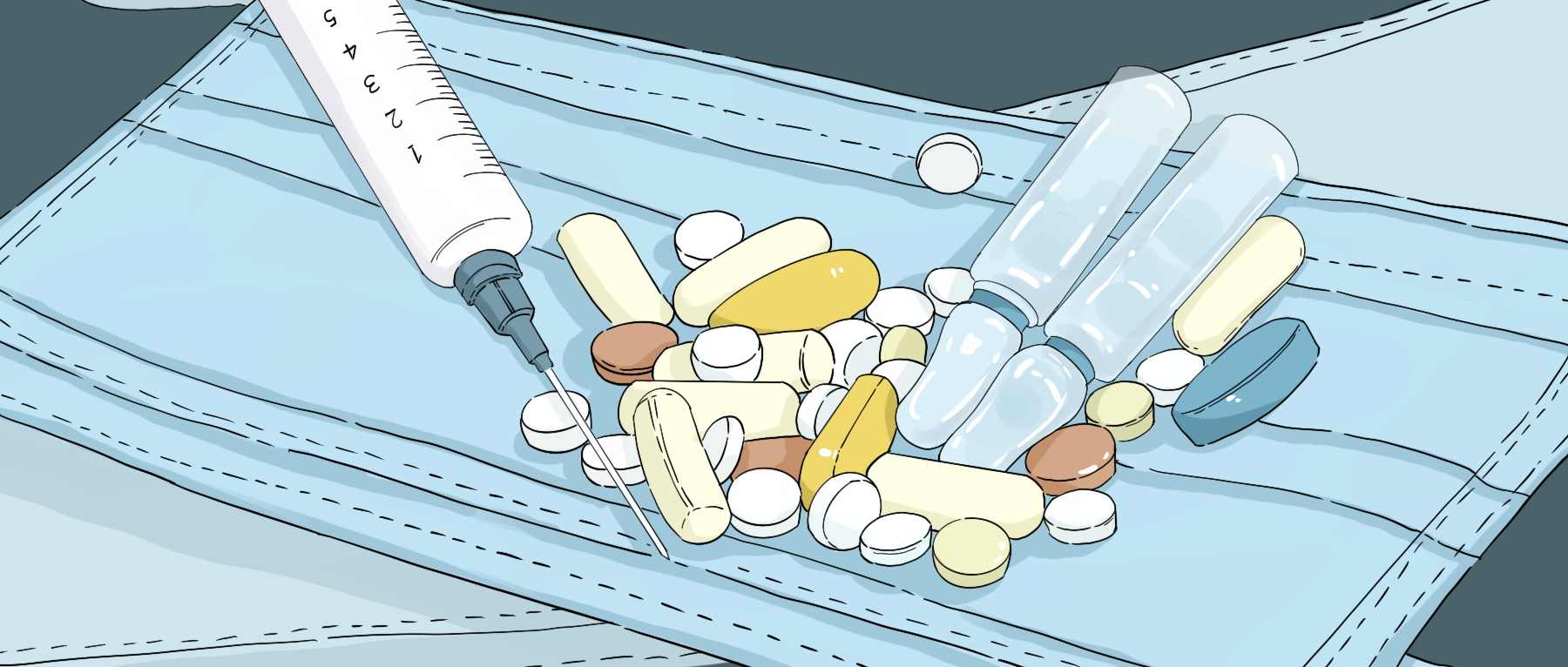
What Can Be Done If a Child with a Cold Refuses Medication?
If a child has only a mild cold and refuses medication, increasing fluid intake—especially water—can help support natural recovery. However, for more severe colds, pharmacological treatment is necessary.
If the cold is caused by exposure to cold (e.g., chills), and symptoms are limited to mild, clear nasal discharge, medication may not be required. Nevertheless, early intervention is still recommended to prevent progression. Remedies such as scallion-white decoction or ginger–brown sugar tea may be beneficial, along with ensuring proper warmth and protection from cold—most children recover rapidly under these conditions.
If the cold is caused by a viral infection, symptoms tend to be more pronounced—including runny nose, sneezing, nasal congestion, coughing, and phlegm production—and high fever may occur in severe cases. In such instances, medical evaluation and physician-guided drug therapy are essential to avoid serious complications. Under professional supervision, oral preparations such as Pudilan Anti-inflammatory Liquid or Qingkailing Oral Liquid may be prescribed. For high fever (≥38.5°C), ibuprofen suspension may be added as needed.
During a cold, children can benefit from consuming vitamin-rich foods—such as Chinese cabbage, spinach, and apples—and engaging in moderate physical activity, both of which help bolster immune function.
We hope the above information is helpful. Wishing you a happy and healthy life!







