Is cervical cancer related to sexual activity?
Feb 11, 2022
Source: Cainiu Health

Dr. An Na
Introduction
Clinical studies have shown that cervical cancer is directly linked to sexual activity. Human papillomavirus (HPV) infection is detected in 70% of cervical cancer patients, and sexual contact is the primary mode of HPV transmission. Abstinence from sexual activity is the most effective measure for preventing cervical cancer; however, it is virtually impractical. Therefore, HPV vaccination is currently the most effective preventive strategy.
Cervical cancer is the second leading cause of cancer-related deaths among women—second only to breast cancer—and predominantly affects women aged 15–44 in China. Currently, the incidence of cervical cancer is trending younger, which is partly associated with early initiation of sexual activity.
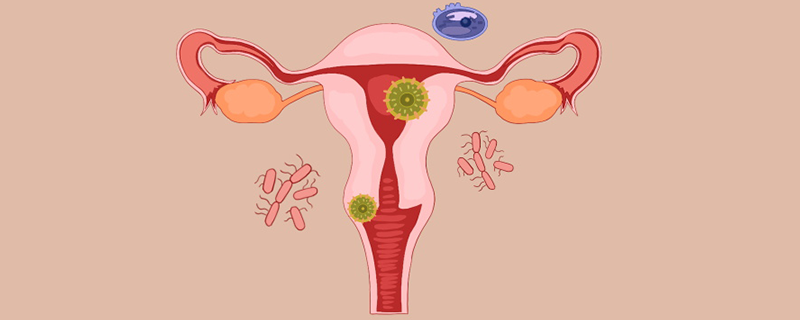
Is cervical cancer related to sexual activity?
Clinical studies indicate a direct link between cervical cancer and sexual activity. Approximately 70% of cervical cancer patients test positive for human papillomavirus (HPV) infection, and sexual contact is the primary transmission route for HPV. Abstinence from sexual activity is the most effective preventive measure against cervical cancer—but it is practically unattainable for most individuals. Therefore, HPV vaccination currently represents the most effective prevention strategy. Early prevention of cervical cancer includes the following measures:
First, advocate for delayed marriage and childbearing, practice family planning, avoid cervical trauma, and maintain good personal hygiene—including cleanliness of the genital area. For women undergoing hysterectomy for other medical reasons, a cervical cytology (Pap) smear should be performed preoperatively. Chronic inflammatory conditions should be actively treated, and precancerous lesions managed appropriately.
Second, actively participate in routine gynecological screenings for women. Prioritize prevention and management of chronic cervical diseases and promptly treat precancerous cervical lesions. Promote public health education, strengthen women’s health care services, enhance sex education, and foster awareness of sexual responsibility and self-respect.
Third, receive HPV vaccination. The most effective prevention strategy combines vaccination with regular screening—this dual approach minimizes the incidence of cervical cancer and related diseases.
Even after receiving the preventive vaccine, HPV screening remains essential—particularly for couples planning pregnancy. Timely screening helps ensure healthy conception and childbirth and prevents vertical transmission of the virus to offspring.
Cervical cancer is a globally prevalent gynecological malignancy that poses a serious threat to women’s health, claiming the lives of numerous women each year. To safeguard women’s health, we recommend widespread dissemination of HPV prevention knowledge. Eligible individuals are strongly encouraged to receive the 9-valent HPV vaccine promptly for optimal protection against cervical cancer.
We hope the above information is helpful to you. Wishing you a happy and healthy life!