


What are the treatment options for hypersomnia?
Feb 14, 2022
Source: Cainiu Health

Dr. Zhong Mengfei
Introduction
What are the treatments for hypersomnia?
(1) Napping: Sleeping for 2–8 hours prior to a 24-hour sleep deprivation test can improve alertness over the subsequent 24 hours; even brief naps of 15 minutes every 2–3 hours can mitigate the decline in performance during prolonged wakefulness.
(2) Caffeine: Caffeine is mildly effective; administration of 150–300 mg can enhance alertness.
Narcolepsy is a neurological disorder characterized by excessive daytime sleepiness or sudden, uncontrollable episodes of falling asleep. Although these sleep episodes can occur at any time, they most commonly happen during periods of inactivity or during monotonous, repetitive tasks. Narcolepsy is a neurological condition that leads to irresistible sleep attacks. So, what are the treatment options for narcolepsy? Let’s explore them below.
What Are the Treatment Options for Narcolepsy?
The following approaches are commonly used in the management of narcolepsy:
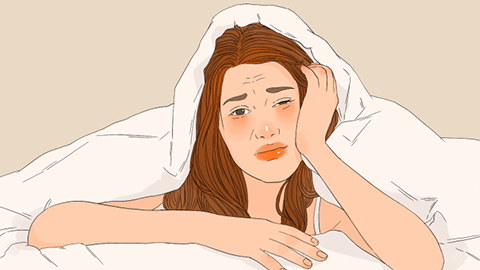
(1) Scheduled naps. Sleep is clearly the most effective therapeutic and preventive measure for narcolepsy. Sleeping for 2–8 hours prior to a 24-hour sleep-deprivation test improves alertness throughout the 24-hour period. Even brief naps of 15 minutes every 2–3 hours can mitigate the decline in cognitive performance associated with prolonged wakefulness. Naps longer than two hours may be associated with sleep inertia (a groggy, disoriented state upon awakening). Timing naps to coincide with the nadir of the circadian rhythm (between 2:00 a.m. and 9:00 a.m.) enhances their effectiveness. For drivers, obtaining at least nine hours of sleep within the 48 hours before a long-distance drive reduces crash risk. Equally effective strategies include taking rest breaks, pulling over when feeling drowsy, and consuming caffeine.
(2) Caffeine. Caffeine provides mild but measurable benefits. A dose of 150–300 mg improves alertness for up to six hours. In cases of sustained sleep deprivation, a 300-mg dose of caffeine yields effects comparable to those of a 3–4-hour prophylactic nap. Combining caffeine administration with a nap appears to produce additive benefits.
(3) Stimulants and wake-promoting medications. Methylphenidate, pemoline, amphetamines, and modafinil have all been shown to improve performance on various cognitive and vigilance tests across different time intervals. However, these agents are prescription-only medications and must be used strictly under medical supervision.
We hope the above information is helpful to you.








