


What should I do if my nostrils feel dry and painful?
Feb 21, 2022
Source: Cainiu Health

Dr. Xu Gang
Introduction
These symptoms are typically caused by “excessive internal heat” (a traditional Chinese medicine concept) or recurrent nasal inflammation. We recommend prompt pharmacological and symptomatic treatment, which usually leads to rapid improvement. Nasal decongestant ointment may be used topically, along with oral medications. During this period, ensure adequate fluid intake and avoid raw, cold, spicy, or irritating foods—such items may exacerbate internal heat. Additionally, maintain regular bowel movements.
Dryness and pain in the nose are collectively referred to as “dry, painful nose.” This condition may result from internal heat (“fire”) in the body or from rhinitis. So what should one do when experiencing dryness and pain inside the nostrils? Below, we address this question.
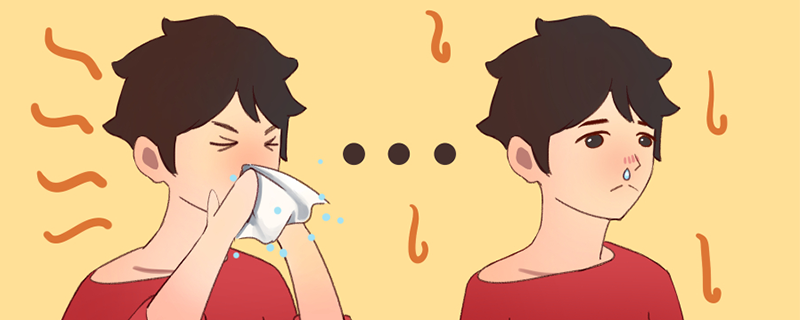
What to Do for Dryness and Pain Inside the Nostrils
This condition is typically caused by internal heat or recurrent nasal inflammation. We recommend prompt pharmacological treatment targeting the underlying cause; symptoms usually improve rapidly. Nasal decongestant ointment may be applied locally, and oral medications may also be prescribed. During this period, ensure adequate hydration, avoid cold, raw, spicy, or irritating foods (which can exacerbate internal heat), and maintain regular bowel movements.
Environmental dryness or internal heat may also contribute to dryness and pain in the nostrils. Rhinitis-relieving tablets may be used, along with cefalexin granules for anti-inflammatory effects. If internal heat is present, Niuhuang Jiedu Pian (Calculus Bovis Detoxifying Tablets) may be added. For prolonged, excessive nasal dryness, isotonic saline nasal spray (physiological seawater) may help restore moisture; increased water intake is also advised. Alternatively, if rhinitis is the underlying cause, Huo Dan Wan (a traditional herbal formula for sinus and nasal disorders) may be prescribed. Alcohol consumption and spicy foods should be avoided.
Additional Information: Causes of Dryness and Pain Inside the Nostrils
1. Dry Weather: During autumn and winter, ambient humidity drops significantly, and airborne dust levels rise. Inhaling dust dries out the nasal mucosa, leading to crusting. Dust particles and bacteria adhere to the dried mucosa, triggering symptoms such as sneezing, rhinorrhea, and a foreign-body sensation within the nasal cavity.
2. Internal Heat: Chronic sleep deprivation, excessive fatigue, or frequent consumption of spicy, stimulating foods can generate internal heat, resulting in nasal dryness and pain. Lifestyle adjustments—including ensuring sufficient daily sleep and avoiding spicy or irritating foods—are essential.
3. Atrophic Rhinitis: Persistent nasal dryness and pain may indicate atrophic rhinitis, characterized by mucosal dryness, discomfort, pain, and reduced nasal secretions. Timely medical intervention is recommended.
4. Allergies: Allergic reactions to pollen or dust may also cause nasal dryness and pain. Affected individuals should minimize exposure to allergens and, under physician guidance, take appropriate antihistamines or other anti-allergy medications.
The above outlines management strategies for dryness and pain inside the nostrils. We hope this information proves helpful.



