


Can patients eat sea cucumber after thyroid cancer surgery?
Mar 02, 2022
Source: Cainiu Health
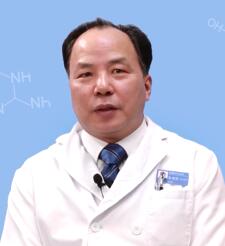
Dr. Zhu Zengkuan
Introduction
Patients may consume sea cucumber after surgery. There are no functional dietary restrictions following thyroid surgery; however, it is advisable to avoid or limit intake of iodine-rich foods. Postoperatively, thyroid function should be monitored regularly to prevent hypothyroidism. If necessary, appropriate thyroid hormone replacement therapy should be initiated. Patients should also ensure adequate rest, closely monitor their condition, and undergo regular follow-up thyroid function tests.
Thyroid cancer is the most common malignant tumor of the thyroid gland, accounting for approximately 1% of all malignant tumors throughout the body. It comprises four major histopathological types: papillary carcinoma, follicular carcinoma, anaplastic carcinoma, and medullary carcinoma. So, can patients consume sea cucumber after thyroid cancer surgery? The following addresses this question.

Can patients eat sea cucumber after thyroid cancer surgery?
Yes, patients may consume sea cucumber following thyroid surgery. There are no functional dietary restrictions specific to thyroid surgery; however, it is advisable to minimize or avoid foods high in iodine. Postoperatively, patients should undergo regular monitoring of thyroid function to prevent hypothyroidism. If necessary, thyroid hormone replacement therapy (e.g., levothyroxine) should be initiated appropriately. Patients should also ensure adequate rest, maintain a positive and calm mindset, and take precautions against common colds and infections.
Dietary care plays an important role in recovery after thyroid surgery. Sea cucumber is rich in gelatinous proteins and has been shown to effectively enhance immune function. It also exerts regulatory and supportive effects in managing malignant tumors. Importantly, sea cucumber consumption does not interfere with thyroid cancer surgery or its outcomes.
Currently, patients should undergo routine clinical follow-up, including ultrasound examinations and thyroid function tests. During follow-up, intake of high-iodine foods—such as kelp—should be carefully controlled.
The above outlines whether sea cucumber may be consumed after thyroid cancer surgery. We hope this information is helpful to you.







