


What happens if you frequently eat strongly flavored foods?
Mar 04, 2022
Source: Cainiu Health

Dr. Chen Dongfeng
Introduction
1. Gastroenteritis: Regular consumption of spicy and irritating foods can damage the gastrointestinal mucosa over time and place excessive strain on the digestive system, thereby leading to gastroenteritis.
2. Fatty liver disease: Frequent intake of heavily greasy foods may contribute to the development of fatty liver disease.
3. Hypertension: Regular consumption of high-salt foods may lead to hypertension.
Many people enjoy spicy food in daily life—and once they start, it’s hard to stop. They often add excessive amounts of spice to their meals. But what are the health consequences of regularly consuming strongly flavored foods? Below, we address this question.
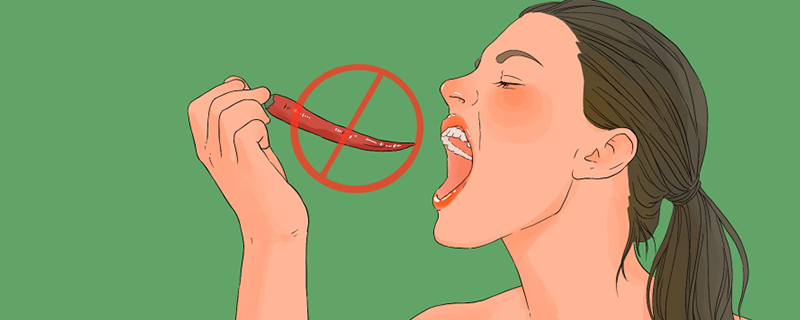
What happens if you frequently consume strongly flavored foods?
Regular consumption of strongly flavored foods may generally lead to gastritis or enteritis, as well as nonalcoholic fatty liver disease (NAFLD), hypertension, and other conditions.
1. Gastritis or Enteritis: Frequent intake of spicy, irritating foods can damage the mucosal lining of the gastrointestinal tract over time, overburdening the digestive system and potentially triggering gastritis or enteritis. Affected individuals may experience symptoms such as diarrhea, abdominal pain, and vomiting. Patients are advised to avoid such foods altogether, adopt a pattern of smaller, more frequent meals, and—under physician guidance—consider medications that protect the gastric mucosa, such as cimetidine tablets or hydrotalcite chewable tablets.
2. Fatty Liver Disease: Regular consumption of excessively greasy, high-fat foods may contribute to the development of fatty liver disease. Patients should moderate their dietary intake and limit excess caloric consumption. Under medical supervision, pharmacotherapy options may include orlistat capsules or pioglitazone hydrochloride tablets.
3. Hypertension: Habitual consumption of high-sodium foods may elevate blood pressure and increase cardiac workload. Patients are advised to modify their daily diet to be low in salt and fat. Under physician guidance, antihypertensive medications such as hydrochlorothiazide tablets or indapamide tablets may be used to manage blood pressure.
In daily life, prioritize balanced nutrition and minimize intake of strongly flavored foods. Incorporating regular physical activity is also recommended to enhance overall physical fitness.





