


Can a complete blood count (CBC) detect cancer?
Mar 04, 2022
Source: Cainiu Health
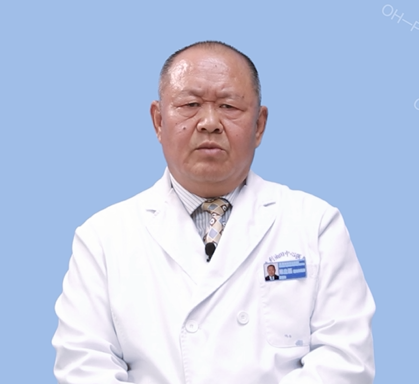
Dr. Chen Lilei
Introduction
A complete blood count (CBC) cannot directly detect cancer. A CBC is a routine test that measures the cellular components of blood, including white blood cells and their differential counts, red blood cells, hemoglobin, and platelet count. While patients with tumors may occasionally exhibit abnormalities in CBC results, a CBC alone is insufficient for diagnosing cancer. Cancer diagnosis requires integration of clinical symptoms and relevant auxiliary examinations.
Cancer can sometimes be detected during routine physical examinations. Therefore, it is advisable to undergo regular medical check-ups at hospitals to identify any abnormal changes in your body as early as possible, enabling prompt initiation of appropriate treatment. Individuals with a family history of cancer, in particular, should undergo comprehensive health screenings every six months. But can a complete blood count (CBC) detect cancer? Below, we address this question.
Can a Complete Blood Count Detect Cancer?
A complete blood count (CBC) cannot directly diagnose cancer. The CBC is a routine test that evaluates the cellular components of blood, including white blood cell count and differential, red blood cell count, hemoglobin concentration, and platelet count. While certain abnormalities in CBC results may occasionally occur in cancer patients, the CBC alone is insufficient for diagnosing malignancy.
Cancer diagnosis requires integration of clinical symptoms and multiple auxiliary diagnostic modalities—such as tumor biomarker assays and molecular diagnostics, imaging studies (e.g., CT, MRI, and ultrasound), and endoscopic evaluations (e.g., esophagogastroduodenoscopy, colonoscopy, and bronchoscopy). Among all available diagnostic techniques, histopathological examination remains the gold standard for definitive cancer diagnosis.

How to Prevent Cancer
1. Maintain a Healthy Lifestyle
A portion of cancer cases are linked to unhealthy lifestyle habits. Thus, after surgical treatment, patients aiming to prevent cancer recurrence must adopt and sustain healthy daily routines—such as avoiding smoking, excessive alcohol consumption, chronic sleep deprivation, and binge eating. Additionally, engaging in regular physical exercise and maintaining an optimistic, positive mindset are essential, as physical activity helps strengthen the immune system.
2. Enhance Immune Function
To reduce the risk of cancer recurrence post-surgery, patients should proactively bolster their immune function and restore physical stamina. Traditional Chinese Medicine (TCM) plays an irreplaceable role in the postoperative management of cancer patients. TCM employs individualized, pattern-based treatment strategies to rapidly and effectively enhance immunity, improve organ function, and maintain internal homeostasis—including balance between yin and yang.
3. Undergo Regular Follow-up Examinations
Cancer is characterized by risks of recurrence and metastasis. Clinical survival statistics—such as 3-year and 5-year survival rates—highlight that even after surgery and other treatments, cancer may still recur, metastasize, or prove fatal. True cancer cure is not confirmed merely by the absence of detectable tumors within three to five years post-surgery; rather, strict adherence to scheduled follow-up visits, as directed by physicians, is mandatory.
We hope the above information is helpful to you.






