Transmission Routes of “Big Three-Positive” and “Small Three-Positive” Hepatitis B
Mar 08, 2022
Source: Cainiu Health

Dr. Jiang Weimin
Introduction
Transmission Routes of “Big Three-Positive” and “Small Three-Positive” Hepatitis B: Both conditions are primarily transmitted via blood, mother-to-child (perinatal) transmission, and sexual contact. As infectious diseases, “Big Three-Positive” and “Small Three-Positive” hepatitis B pose significant health risks. Patients are strongly advised to actively cooperate with treatment. Selecting a reputable hepatology hospital and an appropriate, individualized therapeutic approach—based on scientific, symptom-targeted management—can lead to gradual recovery from both conditions.
The term “Big Three-Positive” (or “Big Three-Positives”) refers to the immunological markers of hepatitis B virus (HBV) in patients with chronic hepatitis B or asymptomatic HBV carriers—specifically, positive results for hepatitis B surface antigen (HBsAg), hepatitis B e-antigen (HBeAg), and hepatitis B core antibody (anti-HBc). So, what are the transmission routes of “Big Three-Positive” and “Small Three-Positive” conditions? Let’s explore them together.
Transmission Routes of Big Three-Positive and Small Three-Positive Conditions
Both Big Three-Positive and Small Three-Positive conditions are primarily transmitted via blood, mother-to-child (perinatal) transmission, and sexual contact. As infectious diseases, they pose significant health risks. Patients are strongly advised to actively cooperate with treatment. Selecting a reputable hepatology-specialized hospital and an appropriate, individualized therapeutic regimen—and undergoing scientifically guided, symptom-targeted treatment—can lead to gradual recovery from both Big Three-Positive and Small Three-Positive states.
During treatment, patients must strictly follow their physician’s instructions and recommendations, actively cooperate with therapy, maintain confidence in treatment outcomes, avoid resistance or pessimism, and refrain from self-medicating or arbitrarily discontinuing prescribed medications—otherwise, treatment efficacy may be compromised. Daily diet should be light and balanced; patients should avoid greasy, spicy, or irritating foods, and abstain from smoking and alcohol consumption to prevent additional strain on the liver and potential disease progression.
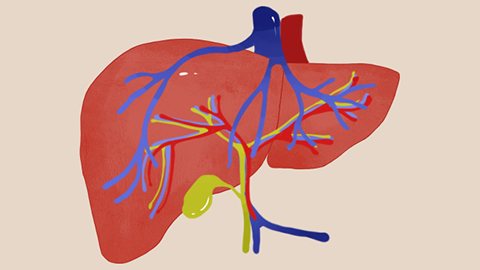
Patients with Big Three-Positive or Small Three-Positive status must pay special attention to dietary habits. It is recommended to consume ample fresh vegetables and fruits, as well as foods rich in high-quality protein and vitamins.
Knowledge Extension: Daily Care Measures for Big Three-Positive Patients
1. Maintain Emotional Well-being
Maintaining a cheerful and relaxed mood significantly benefits hepatic function (particularly bile secretion) and overall immune competence. Some illnesses may resolve spontaneously in individuals with positive emotional states, whereas persistent depression and chronic anxiety often hinder recovery—even with prolonged treatment.
2. Diet and Daily Routine
Abstain from alcohol entirely. Limit intake of spicy and greasy foods. Avoid excessive sleeping or staying up late; instead, maintain regular daily routines. Processed foods often contain preservatives and should therefore be minimized or avoided. Increase consumption of fruits and vegetables to boost vitamin intake, which supports overall health.
3. Moderate Physical Exercise
Engage regularly in moderate aerobic activities—such as Tai Chi, walking, hiking, swimming, or breathing exercises—to maintain physical fitness and robust vital energy (“Zheng Qi”). Such exercise enhances immune function and improves treatment outcomes.
We hope the above information proves helpful to you.