What Are the Warning Signs of a Mental Breakdown?
Mar 08, 2022
Source: Cainiu Health

Dr. Gao Zongen
Introduction
Early warning signs of a mental breakdown include depression, sadness, sleep disturbances, diminished attention, and slowed reactions. During a breakdown, patients may experience psychological states such as hopelessness or aversion to sounds—and in severe cases, even suicidal ideation. Although a mental breakdown may occur suddenly, it is typically preceded by identifiable warning signs; careful observation can help detect these abnormalities early.
A mental breakdown typically occurs following an acute life event, or it may emerge as the culmination of prolonged, chronic stress. So, what are the warning signs of a mental breakdown? Below, we address this question.
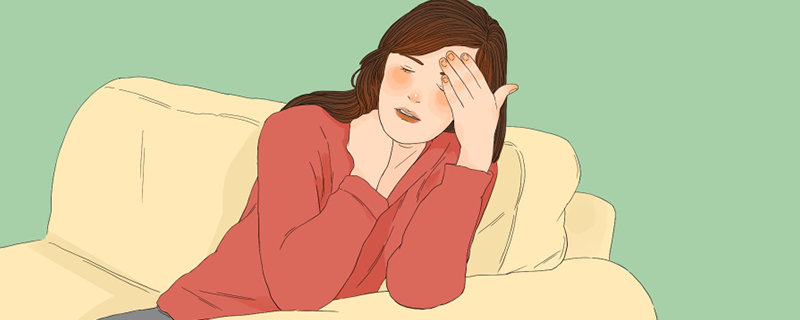
What Are the Warning Signs of a Mental Breakdown?
Warning signs of a mental breakdown include persistent depression or sadness, sleep disturbances, diminished concentration, and slowed cognitive or physical responses.
A mental breakdown refers to a state in which an individual’s psychological and physical well-being is severely compromised due to overwhelming distress or trauma. It may be triggered by long-standing marital discord, chronic dissatisfaction with life circumstances, sudden bereavement (e.g., the unexpected death of a family member), or traumatic incidents such as a motor vehicle accident. During a breakdown, individuals may experience profound hopelessness, aversion to sounds or social interaction, and even suicidal ideation. Although a mental breakdown may appear to occur suddenly, it is usually preceded by discernible warning signs—careful observation can help detect these early abnormalities.
Once symptoms of a mental breakdown manifest, prompt consultation with a psychiatrist or clinical psychologist is essential. Under professional guidance, psychotherapy or counseling should be initiated. In more severe cases, pharmacotherapy—including medications such as agomelatine or mirtazapine—may be prescribed under medical supervision. Additionally, non-pharmacological strategies—such as talking openly with friends or family members, or releasing pent-up emotions through controlled vocal expression (e.g., shouting in a safe environment)—can help alleviate psychological pressure. Maintaining adequate sleep and a nutritionally balanced diet is also crucial for psychological resilience.
The above outlines the key warning signs of a mental breakdown. We hope this information proves helpful to you.