


What should I do if I have schizophrenia?
Mar 08, 2022
Source: Cainiu Health

Dr. Li Qi
Introduction
1. Maintain a regular daily routine, balancing work and rest appropriately; ensure adequate rest and engage in suitable health-preserving and physical-strengthening exercises tailored to local conditions.
2. For patients with schizophrenia, daily care should prioritize ensuring high-quality sleep, as sleep is a critical means of restoring nervous system function.
3. Provide psychological counseling to enhance mental well-being and foster an optimistic, open-minded outlook.
Schizophrenia is a group of chronic disorders with unknown etiology, typically developing insidiously or subacutely during adolescence or early adulthood. Clinically, it manifests as a heterogeneous syndrome involving disturbances in perception, thinking, emotion, behavior, and overall psychomotor coordination.
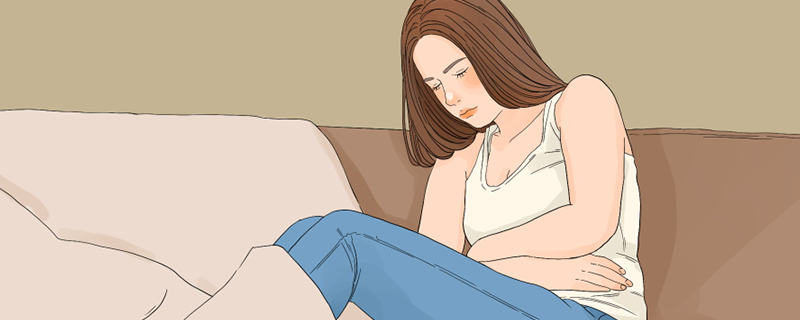
What Should Be Done for Schizophrenia?
1. Maintain a regular daily routine, balancing work and rest appropriately. Ensure adequate rest and engage in suitable health-promoting activities and physical exercise tailored to individual circumstances.
2. Pay close attention to ensuring high-quality sleep for patients with schizophrenia. Sleep is essential for restoring nervous system function and serves as a sensitive indicator of emotional stability.
3. Patients may engage in appropriate outdoor activities accompanied by family members. Concurrent psychological counseling should be provided to enhance mental resilience, foster an optimistic outlook, promote emotional well-being and contentment, and help patients maintain hope and confidence in overcoming their illness.
4. Dietary care considerations include: 1) For patients exhibiting stupor or negativism, encourage oral intake; if necessary, administer liquid nutrition via nasogastric tube—such as milk, soybean milk, thin rice porridge, or fruit juice. 2) Employ cooking methods that optimize food’s color, aroma, taste, and presentation to stimulate appetite.
Additional Information: Key Considerations for Schizophrenia Management
1. Environmental factors significantly influence the course of schizophrenia; noisy or chaotic surroundings may exacerbate symptoms.
2. Avoid exposure to suspenseful, violent, or tragic novels, illustrated magazines, television programs, or films.
3. Some patients with schizophrenia refuse medication. Family members must therefore supervise treatment closely—store medications securely and dispense prescribed doses directly, observing the patient swallow each dose.
4. After recovery, avoid re-exposing the patient to the original environmental triggers associated with disease onset.
5. Smoking and alcohol consumption are discouraged, as both substances exert stimulatory effects unsuitable for individuals with schizophrenia.
6. Patients should not go out alone, as this poses potential safety risks. Close supervision by family members is essential.
The above outlines key strategies for managing schizophrenia. We hope this information proves helpful.



