Can patients consume American ginseng after breast cancer surgery?
Mar 09, 2022
Source: Cainiu Health
Dr. Chen Yunmei
Introduction
American ginseng is a traditional Chinese herbal medicine known for its properties of tonifying qi, nourishing yin, clearing heat, and promoting fluid production. In breast cancer patients who experience postoperative symptoms such as cough, phlegm production, restlessness, fatigue, thirst, and dry throat, American ginseng may be prescribed according to pattern differentiation (syndrome differentiation) in Traditional Chinese Medicine. From a Western medical perspective, current research suggests that American ginseng possesses anti-fatigue and hypoxia-tolerance effects.
American ginseng is a type of “cooling” ginseng that effectively nourishes yin and clears internal heat. Therefore, it is especially suitable for consumption during summer. Additionally, it can help prevent and alleviate constipation. Moreover, American ginseng may lower blood glucose levels, regulate insulin secretion, and promote carbohydrate and fat metabolism—offering certain adjunctive benefits in the management of diabetes. So, can patients take American ginseng after breast cancer surgery? Below, we address this question.
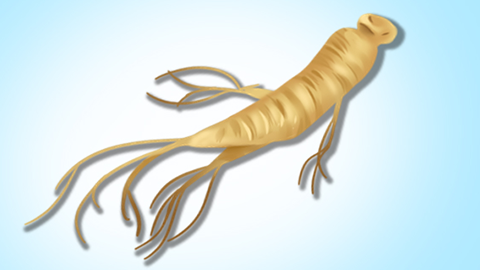
Can patients take American ginseng after breast cancer surgery?
American ginseng is a traditional Chinese herbal medicine known for its ability to tonify qi, nourish yin, clear heat, and promote fluid production. For breast cancer patients experiencing symptoms such as cough, phlegm, restlessness, fatigue, thirst, or dry throat following surgery, American ginseng may be prescribed based on individualized TCM pattern differentiation.
From a Western medical perspective, current research suggests that American ginseng possesses anti-fatigue and hypoxia-tolerance properties—benefits that may support recovery in post-surgical breast cancer patients.
First and foremost, breast cancer patients must undergo standardized treatment—including surgery, chemotherapy, radiotherapy, molecular targeted therapy, and endocrine therapy. On this foundation, complementary use of Traditional Chinese Medicine (TCM) may be considered. However, herbal prescriptions should be administered only under the guidance of qualified TCM practitioners, who will tailor treatments according to each patient’s specific symptoms and physical signs to optimize therapeutic outcomes.
We hope the above information is helpful to you.