


Can I eat crayfish after taking cephalosporin antibiotics?
Mar 10, 2022
Source: Cainiu Health
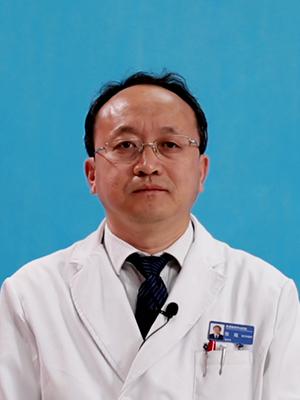
Dr. Zhang Min
Introduction
In general, it is safe to eat crayfish after completing a course of cephalosporin antibiotics. However, it is absolutely critical to avoid alcohol and all alcoholic beverages during and for at least 72 hours after treatment, as co-administration of cephalosporins and alcohol may trigger a disulfiram-like reaction. The most common adverse effects of cephalosporins include nausea, vomiting, diarrhea, and abdominal discomfort. Additionally, some patients may experience allergic reactions such as rash or drug-induced fever.
Cephalosporins belong to the β-lactam class of antibiotics—commonly referred to as cephalosporin antibiotics. They exert their antibacterial effect by disrupting bacterial cell walls and killing bacteria during their active replication phase. Cephalosporins exhibit strong selective activity against bacteria while demonstrating virtually no toxicity to humans. Key advantages include a broad antimicrobial spectrum, potent antibacterial activity, and resistance to penicillinase.
So, can you eat crayfish after taking cephalosporins? Below, we address this question.
Can you eat crayfish after taking cephalosporins?
Generally speaking, it is safe to eat crayfish after completing a course of cephalosporins. However, it is absolutely critical to avoid alcohol and any alcoholic beverages. The most common adverse reactions associated with cephalosporins include nausea, vomiting, diarrhea, and abdominal discomfort.

Secondly, some patients may experience allergic reactions such as rash or drug-induced fever. Therefore, before administering cephalosporins, clinicians must thoroughly inquire about the patient’s history of allergy to cephalosporins, penicillins, or other medications. Patients with a history of anaphylactic shock induced by penicillin-class drugs should not receive cephalosporins.
For other patients receiving cephalosporins, it is essential to recognize that cross-allergic reactions between cephalosporins and penicillins occur in approximately 5–7% of cases; thus, close monitoring is required during administration. Additionally, patients should avoid spicy or irritating foods. Should any adverse reaction occur during treatment, medication must be discontinued immediately. For optimal tolerability, cephalosporins are best taken approximately 30 minutes after a meal.
We hope the above information is helpful to you.






