What Are the Health Risks of Low-Quality Nail Polish?
Mar 16, 2022
Source: Cainiu Health

Dr. Lu Yanli
Introduction
Hazard 1: Nail polish contains various pigments, many of which are synthetic and potentially toxic; some also contain heavy metals.
Hazard 2: Conventional nail polishes contain phthalates—a substance known to adversely affect fetal health.
Hazard 3: Ordinary nail polishes contain highly flammable and explosive ingredients that may cause dizziness during volatilization.
Nail polish is a common cosmetic product familiar to many women. Numerous beauty-conscious women purchase nail polish for DIY manicures at home. However, many lack the ability to distinguish high-quality nail polish from inferior products—and remain unaware of the potential health hazards posed by low-grade formulations. So, what harmful consequences can substandard nail polish cause?
Health Hazards Associated with Low-Quality Nail Polish
Hazard One
Nail polish contains various pigments, including numerous synthetic dyes that are toxic or contain heavy metals—posing potential health risks. A well-known example is Sudan Red, a recognized carcinogen.
Hazard Two
Traditional nail polishes often contain phthalates, substances known to adversely affect fetal development. Prolonged human exposure to phthalates not only poses serious health risks but may also increase the likelihood of miscarriage or birth defects in pregnant women.
Hazard Three
To accelerate drying, conventional nail polishes frequently contain high concentrations of acetone and ethyl acetate—both classified as hazardous chemicals. These substances are highly flammable and explosive, and their vapors may cause dizziness or lightheadedness upon inhalation.
Hazard Four
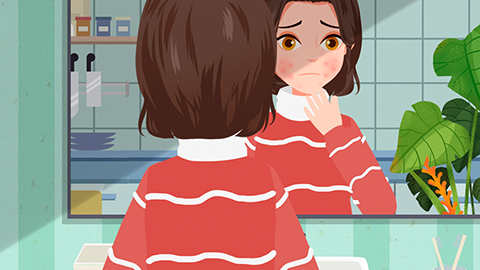
Certain ingredients in nail polish may trigger allergic reactions in susceptible individuals. If skin comes into contact with incompletely dried nail polish, it may result in allergic contact dermatitis.
Hazard Five
The solvents used in ordinary nail polishes are predominantly toxic or harmful. The most hazardous include phthalates, benzene, and formaldehyde; secondary concerns include acetone and ethyl acetate.
The above outlines the potential health hazards associated with low-quality nail polish. Therefore, we strongly recommend avoiding such products. We hope this information proves helpful to you.