What does hemolysis mean, and is it dangerous?
Mar 16, 2022
Source: Cainiu Health

Dr. Tian Hongbo
Introduction
Hemolysis is the phenomenon of red blood cell (RBC) rupture, resulting in the release of hemoglobin from the cells. Outside the human body, hemolysis occurs when RBCs are placed in a hypotonic solution—water enters the cells, causing them to swell and ultimately burst. Within the human body, hemolysis primarily results from intrinsic defects in RBCs or from factors such as autoantibodies in plasma, certain drugs, or snake venom, which induce excessive RBC destruction.
Hemolysis refers to the process in which red blood cells (RBCs) are destroyed by various factors, resulting in leakage of hemoglobin and a shortened RBC lifespan. When the bone marrow can adequately compensate for this loss, the condition is termed “hemolytic state.” If hemolysis exceeds the bone marrow’s compensatory capacity, hemolytic anemia develops. The more severe the condition, the greater the associated risks. So, what exactly does “hemolysis” mean—and is it dangerous?
What Does Hemolysis Mean—and Is It Dangerous?
Hemolysis essentially involves the rupture of red blood cells, leading to alterations in blood pressure, impaired vitality of the body, and even disruption of overall endocrine system regulation.
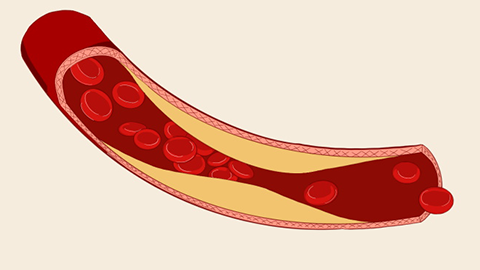
Hemolysis occurs not through natural RBC aging, but rather due to intrinsic abnormalities within the RBCs or extrinsic factors that cause premature RBC destruction and shortened lifespan. Because the bone marrow possesses a compensatory hematopoietic capacity approximately 6–8 times greater than normal, anemia may not develop even in the presence of hemolysis—as long as the bone marrow can fully compensate. However, when hemolysis is severe enough to surpass the bone marrow’s compensatory capacity, hemolytic anemia ensues, bringing multiple serious complications—including those associated with anemia itself, increased jaundice (which may lead to neurological disorders, altered consciousness, and gallstones), among others.

Hemolysis essentially involves the rupture of red blood cells, leading to alterations in blood pressure, impaired vitality of the body, and even disruption of overall endocrine system regulation. Numerous factors can trigger hemolysis, including certain medications, mechanical injury, or infections. Therefore, individuals should pay close attention to any associated symptoms and seek appropriate medical evaluation and treatment. Additionally, adopting healthy lifestyle habits to support optimal blood circulation and avoid harmful exposures is essential.
The above explains what hemolytic disease of the newborn (HDN) due to ABO or Rh blood group incompatibility between mother and fetus entails. We hope this information has been helpful.