What should I do if I have cavities in my back teeth?
Mar 17, 2022
Source: Cainiu Health

Dr. Qiu Hongliang
Introduction
If decay occurs in the posterior teeth, it is important to identify which specific tooth is affected. If the decay is located on a wisdom tooth, extraction may be recommended—especially since wisdom teeth are often impacted or lack functional occlusion. In such cases, the affected wisdom tooth can be directly extracted. After extraction, no prosthetic restoration is required, and there is no risk of future decay in that tooth.
Dental caries—commonly known as “cavities” or “tooth decay”—arise from multiple factors, primarily involving bacteria, the oral environment, host susceptibility, and time. Prompt treatment is essential upon detection of caries; otherwise, complications such as pulpitis and periapical periodontitis may develop, both requiring specialized therapeutic interventions. So, what should be done if caries occur in the posterior teeth? Below, we address this question.
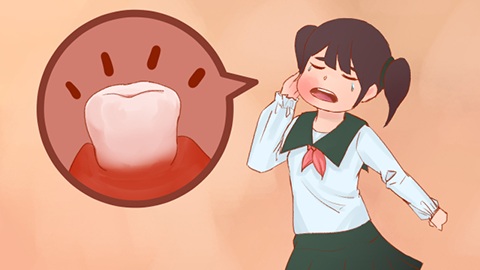
What to Do If Caries Develop in Posterior Teeth
If caries affect a posterior tooth, it is important to first identify which specific tooth is involved. When caries occur in a wisdom tooth (third molar), extraction may be the preferred option—particularly if the wisdom tooth is impacted or lacks functional occlusion. Following extraction, no prosthetic replacement is necessary, nor is there any risk of future caries in that tooth.
However, for caries affecting teeth other than wisdom teeth, conservative treatment aimed at preserving the natural tooth is strongly recommended. In cases of uncomplicated caries, direct restorative treatment (i.e., dental filling) is typically sufficient. If caries have progressed to involve the dental pulp (causing pulpitis) or the periapical tissues (causing periapical periodontitis), root canal therapy must first be performed, followed by crown restoration.
Patients are advised to maintain a healthy diet: limit sugar intake and reduce the frequency of sugary food consumption. Incorporate high-fiber foods into the diet, and rinse with water or brush teeth after meals. Additionally, use interdental cleaning aids—including dental floss and interdental brushes—to effectively remove dental plaque. Regular dental check-ups are essential, and individuals at higher caries risk should schedule more frequent professional visits.
We hope the above information is helpful to you.